
 Black Steel Doors
 Woodstock Campers
 Phillips Joinery
TL;DR:
- A marketing checklist links strategic goals with channels, budgets, and performance metrics to boost brand growth. Regular reviews, clear ownership, and strong measurement infrastructure ensure the checklist remains effective and drives results.
A marketing checklist for brands is a systematic tool that organises strategic goals, marketing activities, and performance metrics to maximise brand visibility and growth. Without one, even well-funded campaigns drift off course, waste budget, and produce results nobody can explain. The industry term for this discipline is integrated marketing planning, and it covers everything from brand identity to channel selection to measurement infrastructure. Brand managers and entrepreneurs who build a proper checklist before launching campaigns consistently outperform those who plan on the fly. This guide gives you the complete framework, grounded in real benchmarks and practical routines.
1. What should a marketing checklist for brands include?
A marketing checklist is only as useful as the strategic foundation underneath it. Asana’s marketing plan framework defines this as linking goals to channels, budget, KPIs, and a campaign calendar in one connected document. That connection matters because a goal without a channel is a wish, and a channel without a KPI is a hobby.
Every brand marketing checklist must begin with four non-negotiable elements:
- Brand identity: mission statement, value proposition, and positioning statement
- Goal architecture: specific, time-bound objectives tied to measurable outcomes
- Budget allocation: spend mapped to channels with a clear rationale
- Measurement infrastructure: tracking setup, event definitions, and reporting cadence
Strong brand marketing checklists anchor on a coherent narrative covering mission, origin, and customer role before selecting tactics. This sequence prevents the common mistake of choosing tactics first and retrofitting a strategy afterwards.
Pro Tip: Write your value proposition as a single sentence before you open any planning tool. If you cannot summarise what makes your brand different in one sentence, your checklist will reflect that confusion.
2. How to define your brand identity and positioning
Brand identity is the foundation every other checklist item rests on. A brand without a clear position cannot write consistent copy, choose the right channels, or brief an agency effectively. Digital branding amplifies whatever identity you have, so getting it right before going live matters enormously.
Your brand identity checklist should confirm:
- Mission statement: why the brand exists beyond making money
- Value proposition: the specific benefit you deliver that competitors do not
- Tone of voice: documented guidelines covering vocabulary, formality, and personality
- Visual identity: logo usage, colour palette, typography, and image style
- Positioning statement: who you serve, what you offer, and why you are different
Shopify’s marketing plan template recommends including competitor and audience research at this stage. Knowing where competitors are positioned tells you where the gaps are. A SWOT analysis is the fastest way to map this: strengths and weaknesses are internal, opportunities and threats are external.
Competitive analysis is not a one-off task. Markets shift, new entrants appear, and customer expectations change. Schedule a competitive review at least twice a year and record findings in your checklist so the whole team works from the same picture.

3. Which marketing channels should brands prioritise?
Channel selection is where most brand plans go wrong. Brands try to be everywhere at once, spread budget too thin, and end up with mediocre results across the board. The better approach is to choose three to four channels where your audience actually spends time, then do those well.
Digital channels
- SEO: builds long-term organic visibility and compounds over time
- Social media: drives awareness, engagement, and community building
- Email marketing: the highest return channel for retention and repeat purchase
- Content marketing: supports SEO, builds authority, and educates buyers
Offline and supporting channels
- Events and partnerships: build trust and generate warm leads
- Print and sales collateral: still relevant for B2B and premium consumer brands
- PR and media coverage: amplifies brand credibility at scale
Gartner’s CMO Spend Survey reports that marketing budgets average around 7.7% of revenue for enterprises. That benchmark gives brand managers a starting point, but early-stage brands often need to spend a higher proportion to build initial awareness.
Paid and organic channels work best together. Organic content builds credibility and reduces long-term cost per acquisition. Paid advertising accelerates reach and tests messaging quickly. A campaign calendar ties both together, showing which channels are active, what content is running, and when reviews are scheduled. Tools like Asana, Notion, or Monday.com all support this kind of planning view.
Pro Tip: Before adding a new channel to your checklist, ask one question: does your audience use this channel to make decisions in your category? If the answer is no, skip it regardless of how trendy it is.
4. How to measure and track brand marketing performance
Measurement is where most brand marketing checklists fall apart. Brands collect data, build dashboards, and then make decisions based on numbers that do not actually reflect what is happening. The fix is building measurement infrastructure before you trust any attribution or reporting.
A 2026 marketing measurement framework recommends a 90-day setup plan that fixes data quality first. The logic is simple: advanced analysis built on bad data produces confident wrong answers.
Stage-specific KPIs
| Journey Stage | Key Metrics |
|---|---|
| Awareness | Reach, impressions, share of voice, branded search volume |
| Engagement | Time on site, social interactions, video completion rate |
| Consideration | Email sign-ups, content downloads, return visits |
| Conversion | Revenue, leads, cost per acquisition, conversion rate |
| Retention | Repeat purchase rate, customer lifetime value, NPS |
The Content Marketing Institute’s measurement framework separates metrics by journey stage to prevent misleading mixes. Reporting awareness metrics to an executive asking about revenue is a fast way to lose credibility.
Effective measurement matures in phases. Days 1 to 30 focus on establishing data quality: correct tracking setup, event definitions, and baseline reporting. Days 31 to 60 add causal proof through incrementality tests, which isolate the actual effect of a campaign from background noise. Days 61 to 90 introduce budget intelligence through marketing mix modelling, which shows which channels are driving real outcomes.
Pro Tip: Audit your Google Analytics 4 or equivalent setup before your next campaign launches. Check that key events are firing correctly, that UTM parameters are consistent, and that your conversion goals match your actual business objectives.
5. How to build your campaign planning checklist
A campaign checklist is the operational layer of your broader brand marketing plan. It covers the specific steps needed to take a campaign from brief to live to reviewed. Without this layer, campaigns launch late, miss key channels, or go live with inconsistent messaging.
A solid campaign checklist covers:
- Campaign brief: objective, audience, key message, budget, and timeline
- Creative assets: copy, visuals, video, and landing pages signed off before launch
- Channel setup: ad accounts, email sequences, and social posts scheduled and reviewed
- Tracking confirmation: UTM parameters set, conversion events tested, dashboards live
- Legal and compliance review: GDPR consent, ASA guidelines, and brand approvals completed
- Launch sign-off: final check by campaign owner before anything goes live
- Post-campaign review: performance against KPIs documented and shared with stakeholders
Assigning a named owner to each item is the single most effective way to prevent things from slipping. A checklist without owners is just a list of good intentions. Tools like Asana or Monday.com let you assign tasks, set deadlines, and track completion in one place.
Content marketing plays a central role in most campaigns. Confirming that content is briefed, produced, reviewed, and scheduled before launch day removes a major source of last-minute chaos.
6. What brand audit routines keep your marketing consistent?
Regular brand audits reveal inconsistencies in channels, messaging, visuals, and operational use that accumulate quietly over time. A brand that looked consistent six months ago may now have three different logo versions live, two conflicting taglines, and a website that no longer reflects the current value proposition.
Schedule a brand audit before any of these trigger points:
- A seasonal campaign or major product launch
- A website redesign or rebrand
- A significant team change, such as a new marketing hire or agency appointment
- A workflow or tool change that affects how assets are created or distributed
The audit process itself should follow a consistent structure. Gather evidence from every active channel: website, social profiles, email templates, sales decks, and any printed materials. Score each element against your brand guidelines. Document what passes, what needs updating, and what should be archived.
| Audit Area | What to Check | Action if Inconsistent |
|---|---|---|
| Logo usage | Correct version, sizing, and clear space | Replace with approved file |
| Tone of voice | Consistent vocabulary and formality level | Update copy to match guidelines |
| Visual style | Colour palette, typography, image treatment | Redesign or replace assets |
| Messaging | Value proposition and key claims | Align to current positioning |
| Channel presence | Active profiles match brand standards | Update or deactivate stale profiles |
Archiving outdated assets is as important as creating new ones. If old logo files or off-brand templates remain accessible, someone will use them. A centralised asset library with clear version control solves this permanently.
Brand marketing strategy works best when treated as a sustainable system rather than a series of isolated campaigns. Brands that build consistent audit routines into their planning calendar maintain equity across channels even as algorithms and platforms change.
7. How to create a marketing checklist that your team will actually use
The best marketing plan template is one your team opens every week, not one that lives in a shared drive and gets updated once a year. Usability is a design problem, and most checklists fail because they are too long, too vague, or owned by nobody.
Three principles make a checklist useful:
Keep it modular. Separate your checklist into distinct sections: brand identity, campaign planning, channel management, and measurement. Teams can work on their section without wading through irrelevant items.
Make it a living document. Review and update the checklist after every major campaign. Add items that caught you out. Remove items that no longer apply. A checklist that reflects real experience is far more valuable than a generic template.
Assign clear ownership. Every section of the checklist should have a named owner who is responsible for keeping it current. Shared ownership means no ownership.
A social media strategy checklist is a good model for this approach. It breaks a complex discipline into specific, ownable tasks with clear outputs. Apply the same logic to your full brand marketing checklist and you will have a tool that actually drives behaviour rather than just documenting intentions.
Key takeaways
A marketing checklist for brands works only when it connects strategic goals to channels, budget, KPIs, and measurement infrastructure in one coherent document.
| Point | Details |
|---|---|
| Start with brand identity | Define mission, value proposition, and positioning before selecting any channels or tactics. |
| Connect goals to measurement | Assign stage-specific KPIs across awareness, engagement, consideration, conversion, and retention. |
| Fix data quality first | Build and validate tracking infrastructure before trusting attribution reports or campaign dashboards. |
| Audit regularly | Schedule brand audits before campaigns, launches, and redesigns to catch inconsistencies early. |
| Assign owners to every item | Named ownership on each checklist item is the difference between a plan and a result. |
Why most brand checklists collect dust (and how to stop yours doing the same)
The honest truth about marketing checklists is that most of them are built once, celebrated briefly, and then ignored. I have seen this happen with brands that had good plans. The checklist was thorough, the strategy was sound, and within three months nobody was looking at it.
The problem is almost never the content of the checklist. It is the absence of a review rhythm. A checklist without a scheduled review date is just documentation. The brands that get real value from their planning tools are the ones that treat the checklist as a standing agenda item, not a reference document.
The other pattern I keep seeing is brands skipping the measurement infrastructure step because it feels technical and unglamorous. They launch campaigns, collect data, and then discover six months later that their tracking was broken from day one. Fixing data quality early is the highest-impact thing you can do before any campaign goes live.
Competitive analysis gets the same treatment. Brands do it once during the initial planning phase and never revisit it. Markets move. A competitor that was irrelevant eighteen months ago may now be targeting your exact audience with a sharper message. Building a twice-yearly competitive review into your checklist is a small time investment with a disproportionate return.
The brands that grow consistently are not the ones with the most creative campaigns. They are the ones with the most disciplined planning routines. Creativity matters enormously, but it lands hardest when it is built on a clear strategic foundation. Your checklist is that foundation.
Amir
How AMW Media supports your brand marketing checklist
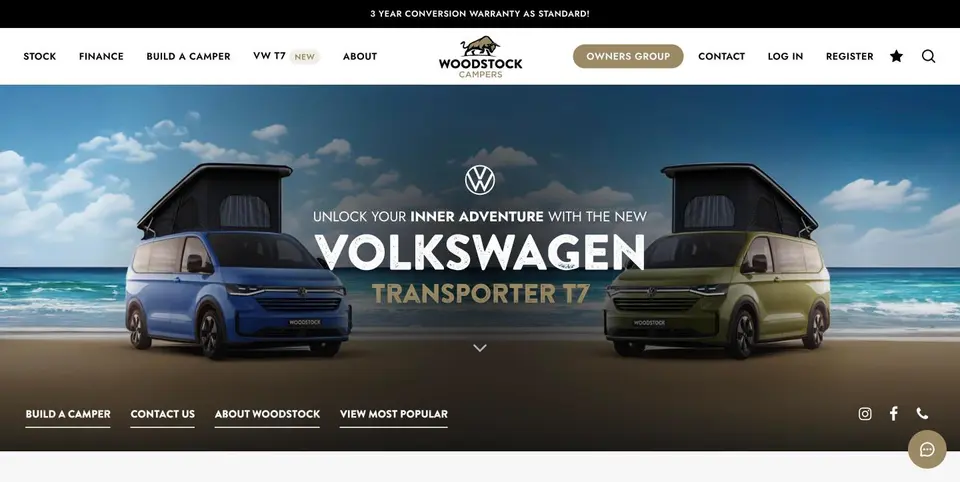
Building a thorough marketing checklist is the right starting point. Executing it across multiple channels simultaneously is where most brand managers and entrepreneurs need support. Woodstock Campers, thirteen months and 2,215 leads at £12.50 each, is the case study on our Banbury marketing page.
AMW Media works with ambitious brands to deliver the services that sit at the heart of most marketing checklists: social media management, SEO, and web design built around measurable brand growth. The team holds certifications from Google, Meta, Shopify, and WordPress, so the work connects directly to the platforms where your audience spends time. If your checklist is ready but your capacity is not, AMW Media is worth a conversation.
FAQ
What is a marketing checklist for brands?
A marketing checklist for brands is a structured document that organises strategic goals, channel activities, budget allocation, and performance metrics into a single actionable plan. It keeps campaigns consistent and ensures nothing critical is missed before launch.
How often should a brand update its marketing checklist?
A marketing checklist should be reviewed after every major campaign and updated at least quarterly. Brand audits should also be scheduled before significant launches, redesigns, or team changes.
What KPIs should a brand marketing checklist include?
KPIs should be stage-specific across the customer journey: awareness metrics such as reach and branded search volume, engagement metrics, consideration signals, conversion rates, and retention figures like customer lifetime value.
How much budget should a brand allocate to marketing?
Gartner’s CMO Spend Survey reports that enterprise marketing budgets average around 7.7% of revenue. Early-stage brands typically need to allocate a higher proportion to build initial awareness and market presence.
What tools support a brand marketing checklist?
Asana, Notion, and Monday.com all support campaign planning and task ownership. Google Analytics 4 handles measurement infrastructure, while tools like Semrush support SEO and competitive analysis within the checklist framework.
Recommended
- Creative branding ideas list: top strategies for 2026 | AMW Media
- Digital presence strategy guide for brand growth in 2026 | AMW Media
- How to master your digital marketing process for 2026
- How to run successful social media campaigns for brand growth
Our free marketing audit looks at your site, your ads and your content, and comes back with a 30 day plan. No pitch deck.

Owns how everything looks and feels, from a brand identity to the grade on a reel, and makes the animated films such as Blue Light Services' Journey to Net Zero. Meet the team.