
 Black Steel Doors
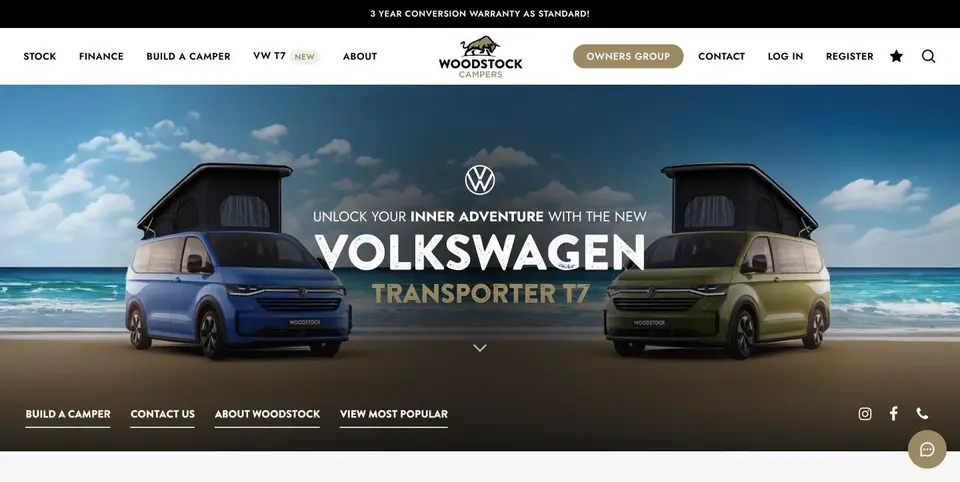 Woodstock Campers
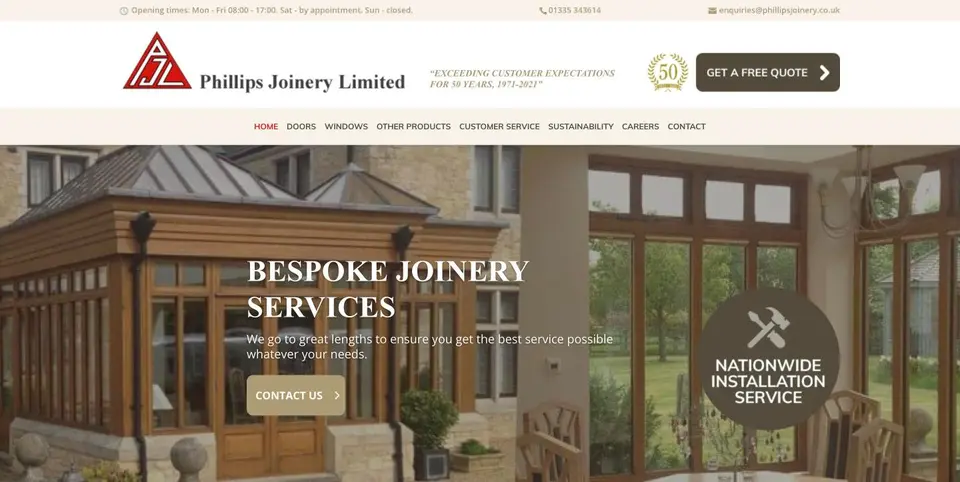 Phillips Joinery
SEO agency · technical, on page, content, local The SEO work you can actually check
You cannot watch SEO being done, which is why the industry gets away with so much. This page is mostly about what to verify: what gets implemented, what we refuse to do, and reporting that comes from your own Search Console rather than ours.
 Live client figure
The awkward thing about buying SEO
You cannot see it being done. A web build produces a website. A shoot produces films. Search engine optimisation produces a monthly report and a promise that things are moving in the right direction.
That gap is why the industry has the reputation it has. An SEO agency can bill for months of work that consists of a rank tracker screenshot and four blog posts nobody reads, and the client has no reliable way to tell that from real work until a year has gone by.
So the useful thing a page like this can do is tell you what to check. Not what we promise, what you can verify.
We sell SEO services to UK businesses and we would rather be chosen by somebody who knows what they are buying. Every SEO company on this results page will tell you they are data driven. Ask each of them what they refuse to do and the field thins out immediately.
What an SEO agency should actually be doing
Four areas, and a decent SEO strategy is weighted towards whichever one is holding your business back rather than spread evenly for appearances. Which one that is should come out of the audit, not out of the package you happened to buy.
Technical SEO
Whether search engines can reach, read and understand the site. Crawling and indexing, site structure, internal linking, page speed, canonical tags, redirects, structured data. It is the least visible part of SEO and the one most likely to be quietly costing you everything: a site Google cannot index properly will not rank however good the content is.
Website performance sits here too. Travel Ink Media reached 98 per cent page speed after their redesign, and site performance is one of the few technical factors a visitor experiences directly.
On page SEO
What each page is about and whether it says so clearly. Titles, meta tags, headings, the actual explanation of the service, the internal links between related pages. Keyword research feeds this, and its real job is not finding volume, it is separating a buying question from a browsing one so each page has a single obvious purpose.
Content
Pages that answer what somebody needs to know before they buy. High quality content in practice usually means the specific and unglamorous: what is included, what it costs to run, what goes wrong, which jobs you turn down. Content marketing that exists to fill a publishing schedule is the most reliable way to waste a year.
Off page SEO
Other sites referring to yours. Link building is the area with the most nonsense attached to it, so the standard is simple: would this link exist if search did not? A supplier, an industry body, a trade publication, a genuine story. Link building opportunities that come from real relationships hold their value. High quality backlinks bought in bulk do not, and they can do damage.
What we will not do
Shorter list than the one above, and more useful.
- Guarantee a position. Search results belong to Google. Anyone guaranteeing organic rankings is either about to chase something worthless or hoping you never check.
- Buy links. Against Google’s spam policies, and the risk lands on your domain rather than on the agency.
- Publish content nobody asked for. Four articles a month is an activity, not a strategy. The same goes for digital PR that produces coverage nobody in your market reads.
- Bill for a keyword you cannot win. Some competitive keywords are owned by national brands and listing sites and will stay that way. We would rather say so than take the money.
- Recommend SEO when paid search is the honest answer. If you need enquiries this quarter, organic search is the wrong tool and Google Ads is the right one. That is the smaller job for us and it is still what the proposal will say.
Search in 2026, and what AI actually changed
AI search results now sit above the ordinary list for a large share of queries, answering the question so the person never clicks. For content written purely to attract organic traffic, that is a genuine problem and it is not going away.
What it changed less than people claim is the underlying work. AI answers are assembled from sources, and the sources are pages that are clear, specific, well structured and demonstrably from somebody who knows the subject. AI search optimisation, as far as it means anything useful, is the same discipline with the vagueness removed.
The businesses least affected are the ones selling something specific with real evidence behind it. An AI summary can explain what a service costs in general. It cannot show your work, name your clients or tell somebody how quickly you can start.
Anyone selling you a separate AI search product should be asked what it does that a clear, specific, well evidenced page does not.
Local SEO for local businesses
Different discipline, same principles. Local searches are dominated by the map pack, which runs on the Google Business Profile rather than the website: the right primary category, accurate service information, real photographs, and reviews arriving steadily rather than in bursts.
For local businesses the practical question is which places have enough demand to deserve a page of their own and which are better covered by one. Building a page for every town within thirty miles is the fastest way to look like a doorway site, and we will not do it.
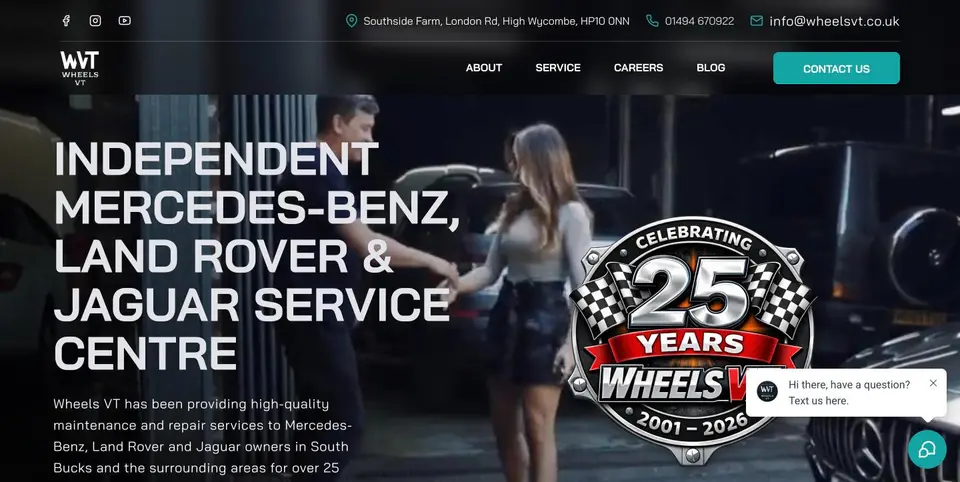
Three places have earned one so far. Our SEO agency High Wycombe page uses Wheels VT, who are in Beaconsfield and come second on Google for “Mercedes specialist High Wycombe” with 235 organic clicks in three months. The Milton Keynes SEO page starts with the Google Business Profile, down to whether you would call your own business from its listing. The SEO agency Banbury page covers a small town with a large catchment, where Oxfordshire, Warwickshire and Northamptonshire meet.
What we can evidence
Wheels VT, an independent Mercedes and Land Rover specialist, came second on Google for “Mercedes specialist High Wycombe”, fourth for “Mercedes specialist near me”, and took 235 organic clicks in three months.
That is a modest number and we are not going to inflate it. What makes it worth reading is the specificity: somebody searching for a Mercedes specialist has already told the business what they need, which is worth considerably more than a larger volume of general motoring traffic.
Search visibility for the right terms beats organic search traffic for the wrong ones, every time. Online visibility and search rankings are the mechanism; business growth is the point, and the two are not the same thing. If a keyword brings visitors who were never going to buy, ranking for it is a cost rather than a result.
Consulting, campaign or team: three ways SEO gets sold
Professional SEO services come in three shapes, and the price difference between them is not really the point. What separates them is who ends up doing the work.
SEO consulting. A consultant audits, advises and hands over a document. It is the cheapest option and it works when you already have a developer and a writer ready to act on it. When you do not, the document ages quietly in a shared drive.
An SEO campaign. A fixed piece of work with a start and an end: a migration, a launch plan for a new site, a set of service pages. Useful when the need is specific and you do not want a retainer.
An SEO team. Ongoing work where the same people audit, decide and implement. More expensive per month, cheaper per result, because nothing waits on somebody else’s diary.
We do all three. Most of what we run is the third, because SEO efforts stall at implementation far more often than at strategy.
There is no such thing as the best SEO agency, only the one that fits the shape of your business. A professional SEO agency handling a national ecommerce brand and one handling a six person trade business are doing different jobs. Whether you hire a specialist or a full marketing agency, ask them to describe a client like you before you ask anything else, because client success in a similar situation tells you more than a service list. That holds for an SEO agency London based or anywhere else in the country.
Be sceptical of anybody selling innovative solutions in search. The mechanics have not changed much in a decade. What changes is how carefully somebody does them.
How SEO is priced
A fixed monthly fee against an agreed scope. No percentage of anything, no charging by the hour, and no minimum term. An SEO consultant advising your team and an agency doing the work are different purchases, and the proposal will say which one you are buying.
What sets the number is the size of the site, the technical state it is in, how much content needs writing, and whether we are implementing the changes or handing them to your developer. Those two arrangements are very different jobs and should never be compared on price alone.
Starting prices are on the pricing page, and what you actually pay follows the scope. The free audit produces the scope and the number, and it costs nothing.
Every figure is published: SEO starts at £349 a month, and the full rate card is on our pricing page, where you can tick what you need and see the total before you speak to anybody.
Reporting you can check without us
Figures come from your own Google Search Console, GA4 and CRM through MyContentLab, on complete months only. An unfinished month never gets presented as a finished result.
Search Console shows clicks and the queries behind them. Analytics explains what happened on the site. The CRM shows which enquiries turned into revenue. They will never agree exactly, because they measure different things, and an agency presenting them as one number is hoping you will not look.
Alongside the figures we log what was actually done that month. That is the part that lets you tell work from theatre, and it is the whole point of this page.
Where SEO sits next to everything else
Search is slow and compounding. Google Ads and pay per click are fast and stop the moment you stop paying. Both are part of the same digital marketing plan rather than alternatives to argue about. Most businesses need both at different weights, and the ratio should change as the organic search work matures.
Our web design and web development team sits alongside the SEO manager, so a technical recommendation gets implemented rather than emailed to you as a task. Where a site is being replaced, the migration is planned before development starts rather than discovered afterwards.
We are a Google Partner with a 5.0 rating from 30 Google reviews, and services run month to month with 30 days’ notice.
Where search fits in the wider plan
Search engine marketing is a bigger tent than SEO, paid search included. The sensible question is not which one, it is which one first, given your business objectives.
Data driven SEO strategies start from the numbers you already have. Which target keywords bring people who buy, what those visitors do next, and where the drop off happens. That is why we align strategies across channels rather than running them separately. Social media marketing builds the audience that later searches your name, and branded search is the cheapest traffic there is.
A marketing strategy treating web traffic as the goal will produce plenty of it and very little else. Relevant traffic is the measure worth using, and for anybody selling online it belongs next to online sales rather than next to website rankings.
Off page work is part of the digital strategy too. Links from authoritative websites still carry weight, and they come from doing something worth referencing rather than from buying placements. Search engine rankings follow reputation more slowly than anybody would like.
Taking a business online, or moving more of it there, reorders the priorities again. Then customer engagement on the site matters as much as arriving at it, because a visitor who cannot find the answer leaves whatever position the page holds.
Start with an audit of what you have
Bring the site, your business goals and the work you want more of. The audit covers the technical state, the target audience behind those searches, the searches worth going after, what your competitors have actually built, and where enquiries are currently being lost.
It is free and carries no obligation. If SEO is not the right next spend for your business, that is what you will be told.