One shoot day becomes a month of content
A London production company will sell you a brand film. One beautiful thing, delivered in eight weeks, and then you need another one in March.
That model works for a business with a campaign budget and an agency of record. It does not work for a company that needs something to post on Thursday, a product video for the website, three cutdowns for paid social and a set of photographs for the trade press, all this month.
So we plan a shoot day around output rather than around a single film. The crew arrives with a shot list built from what the marketing actually needs: the hero film, the short vertical versions, the product close ups, the stills for the website, the founder talking to camera for ninety seconds. One day on site, a month of finished content out the other end.
For Woodstock Campers a crew films twice a month, which is why their Meta Ads never ran out of material across thirteen months and 2,215 leads. The content production and the campaign are the same job, planned together.
What our content production services cover
- Corporate video production. Brand films, about us films, recruitment films and the pieces that explain what a company does to somebody who has never met it.
- Product and commercial video. The thing itself, shot properly. What it is made of, how it goes together, what it looks like finished.
- Promotional videos and social cutdowns. The same shoot, recut for vertical, for paid social and for the placements where the first second decides everything.
- Commercial photography. Products, premises, people and finished work, for the website, the campaigns and print.
- Event video production. Trade shows, launches and open days, edited fast enough to still be useful.
- Case study and testimonial films. A customer explaining, in their own words, why they chose you. The most under used asset most businesses own.
- Post production. Editing, grading, sound design, subtitles and the versioning that turns one shoot into fifteen deliverables.
All of it in house. Our videographers, video editor and creative director are employed here, not booked in for the day, so the person who plans the film is the person who shoots it and the person who cuts it knows what the campaign needs.
What we film, and what each type is actually for
Video is not one product. A corporate video production company selling you a single showreel is usually selling the wrong thing, because the format should follow the job.
Brand film. One piece saying who you are, used on the homepage and in pitches. Worth doing once and doing properly, then replacing every three years rather than every year.
Corporate films and corporate brand films. Recruitment, investor updates, internal announcements, health and safety. Unglamorous and useful, and the ones most businesses put off until they need them urgently.
Promotional videos and branded content. Short pieces built around a specific offer or a specific platform. This is where most of the budget belongs for a business that needs enquiries this quarter.
Documentary production. Longer form, built around a real story: a customer, a build, a season of work. Slower to make, and the format people actually finish watching.
Commercial production. TV commercials and the cut down versions that run as paid ads. Commercial filmmaking has its own discipline, because you get about six seconds before somebody skips.
Cinematic storytelling is a selling phrase that means very little on its own. An engaging film is one where the viewer cares what happens next, and that comes from a real subject rather than from a camera move. Creating videos nobody finishes is the most reliable way to waste a production budget.
The production process, and why we start at the end
Most video production processes start with concept development and work forwards. We start with the deliverables list, because that is what decides everything else.
Brief. What has to be sold, to whom, and where the finished content will appear. A film for a trade show stand and a film for paid social are different jobs and shooting one hoping to get both produces neither.
Pre production. Shot list, schedule, locations, who needs to be available and for how long. Script writing where there is a script. This is the stage that decides whether a shoot day produces four assets or fourteen.
The shoot. Usually one day, sometimes two. We work around your operation rather than shutting it down, because a workshop that has stopped working does not look like a workshop.
Post production editing. The main edit first, then the versions. Sound design, grading, captions and the aspect ratios each platform wants.
Delivery. Final files in the formats you actually need, plus the stills. You own everything, with no licensing period and no repeat fee.
Timescales depend on the shoot and the volume of deliverables. Two to four weeks from shoot to final delivery is typical for a standard day, and we will tell you at brief stage rather than after.
How a shoot actually runs
The entire process, from first call to files in your hands, usually takes three to five weeks.
Initial concept. We start from what the video has to achieve and work backwards to the idea. That order stops a good concept attaching itself to the wrong objective.
Pre production. Script writing, shot lists, locations, permissions, schedule. Our project management is boring on purpose: you know who is arriving, when, and what you need ready.
The filming process. One or two days for most projects. Our in house team means the person who wrote it is on set, so the creative direction survives the gap between briefing and camera.
Post production. Video editing, grade, sound design, graphics. The visual style is set here, and this is where subtitles and audio description get added for the platforms that need them.
Review and final delivery. Two rounds of amends included. You see a rough cut before anybody colours a frame, because changing the story at that point is cheap and changing it after the grade is not.
The whole video production process is built so the final video arrives without surprises. What you approve at rough cut is what the final product looks like, allowing for polish.
Full production is the usual arrangement, though we do the parts as well. Some clients bring a concept and want a crew. Others have footage sitting on a drive and need it turned into something.
Work we have produced
Osmo UK distribute wood finishes to a national trade audience. Their LED Smart Oil range needed product films that showed the finish rather than described it, and those came out of a planned content programme rather than a one off shoot.
The Emergency Services Show at the NEC. Filmed for Blue Light Services, and one of five films playing behind our video production work.
Phillips Joinery went from 341 to 4,914 Facebook followers on workshop content. Nothing clever: a joiner making things, filmed well, posted consistently.
MUK Microcement took a planned month of workshop content, and on LinkedIn their impressions went from 195 to 670 in front of the specifiers who buy.
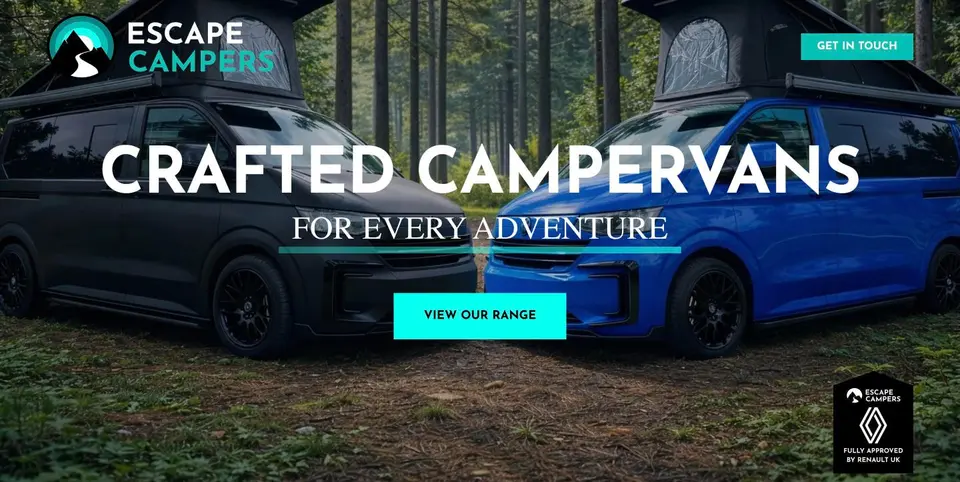
Escape Campers produced 4.13 million advert impressions and 1.75 million video views from the content programme behind their campaigns.
Those are SME numbers, not global brand numbers, and they are the ones that matter if you are an SME. We are not going to show you a Cannes Lion.
Why video content only pays when it has somewhere to go
The most common waste in corporate video production is a good film with no distribution plan. It goes on the homepage, gets four hundred views, and everyone quietly agrees video did not work.
Video works when it is placed where a decision is being made. A product film next to the product. A testimonial on the page where somebody is comparing you against two others. A fifteen second cutdown running as a paid advert to an audience that has never heard of you. The same shoot serving all three.
Because we also run the campaigns and build the websites, the content gets planned with its destination already decided. That is the practical difference between a production company and a full service agency that films: one delivers a file, the other is accountable for whether it did anything.
Video marketing without measurement is just expensive decoration. We report on what the content contributed through your own ad accounts and CRM, on complete months only.
What content production costs
There are no prices on this page and here is why. A single shoot day with three deliverables and a rolling monthly programme with a crew on site twice a month are not the same purchase, and quoting a range for both would mislead you.
The cost is driven by the number of shoot days, the number of finished assets, whether there is a script, whether you need talent or voice over artists, how much animation or motion graphics is involved, and how fast you need it. Those six answers produce a number.
What we can be plain about: no day rate padding, no separate charge for the edit suite, no licensing clock that starts ticking a year after delivery. You own the footage and the finished films outright.
For most SMEs the sensible starting point is a single planned shoot day, judged on what it produced, before committing to anything monthly.
Every figure is published: Content production starts at £799 a month, and the full rate card is on our pricing page, where you can tick what you need and see the total before you speak to anybody.
Choosing a video production company
Lists of the top video production companies are mostly paid listings. A video production company London based will quote higher than one outside the capital for the same crew, and a London video production company is not automatically better at telling your story.
What matters is whether they are a full service production company or a booking agent with a phone. Ask who is on set, then ask again about the editor.
Video production services vary enormously in what is included. Get the scope in writing: shoot days, deliverables, formats, amends, music licensing, and who owns the footage afterwards.
What it costs follows crew size, days and edit complexity rather than glamour. Video production costs are arithmetic, not mystique. Complex projects across multiple locations cost more because they take longer, and a production partner who explains that at the start is easier to work with than one quoting a round number.
Ask how they handle complex ideas. Turning a technical product into something a customer understands is the hardest part of this job, and creative ideas that only make sense to the marketing teams who commissioned them are a common and expensive failure.
We work closely with whoever owns the brief, whether that is a managing director with ten minutes or an internal team with a full plan. Effective communication in the weeks before a shoot matters more than the equipment list, and clear communication after it decides whether the amends round is one email or five.
Being a creative agency rather than a hire company, we are also thinking about where the footage goes: the digital campaigns it feeds, the digital platforms it has to fit, and whether it still works cut to nine seconds and portrait. Strategic thinking in production is mostly that, deciding the destination before the camera comes out.
The test at the end is not whether the film looks nice. It is whether it moves the target audience, whether it sits inside the brand identity and the company values behind it, and whether it produced measurable outcomes you can point at. Combining creativity with that discipline is the job, and video production support after delivery is part of it, because the second cut of an advert usually beats the first.
Content production alongside everything else
Most clients who start with content production end up using it somewhere. The films feed the social media management, the stills go into the website build, and the cutdowns run through Google Ads and Meta Ads. That is not an upsell, it is the reason the content was worth making.
It works the other way too. If you already have an agency running your campaigns and you simply need somebody to film, we will do that and hand over the files.
We are a Google Partner, Meta Business Partner, Shopify Partner and Framer Expert, with a 5.0 rating from 30 Google reviews. Services run month to month with 30 days’ notice.
Start with what you need the content to sell
Tell us what you want more of and where the content will run. The free audit will tell you whether a shoot day is the right next spend, or whether the money would do more somewhere else first.
No obligation, and no proposal until we know what the films are actually for.

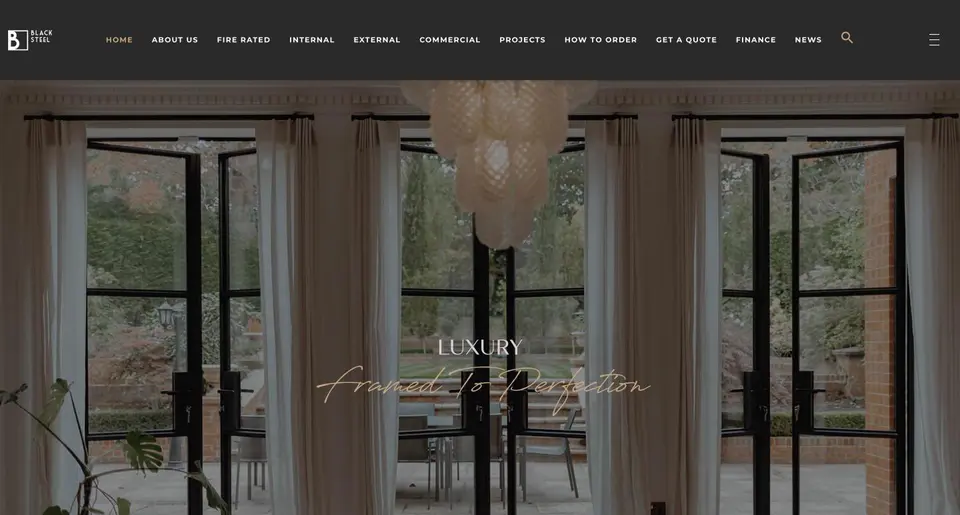 Black Steel Doors
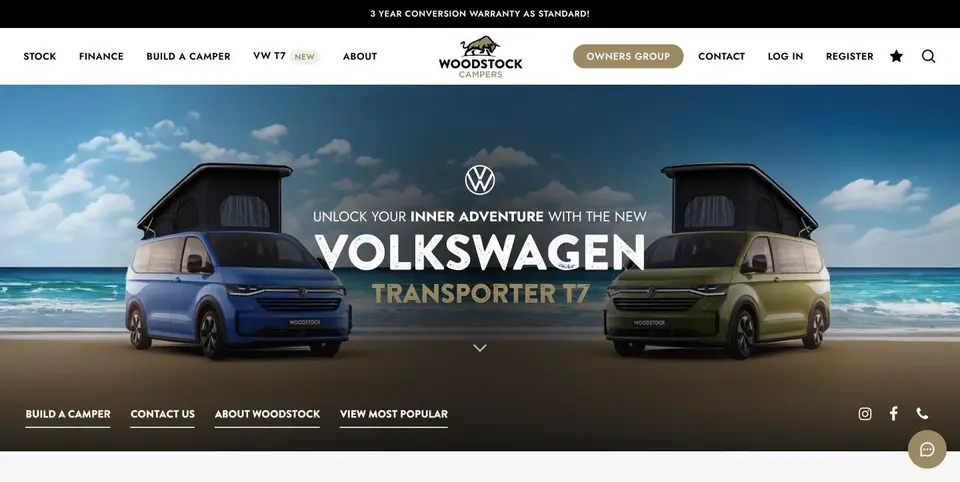 Woodstock Campers
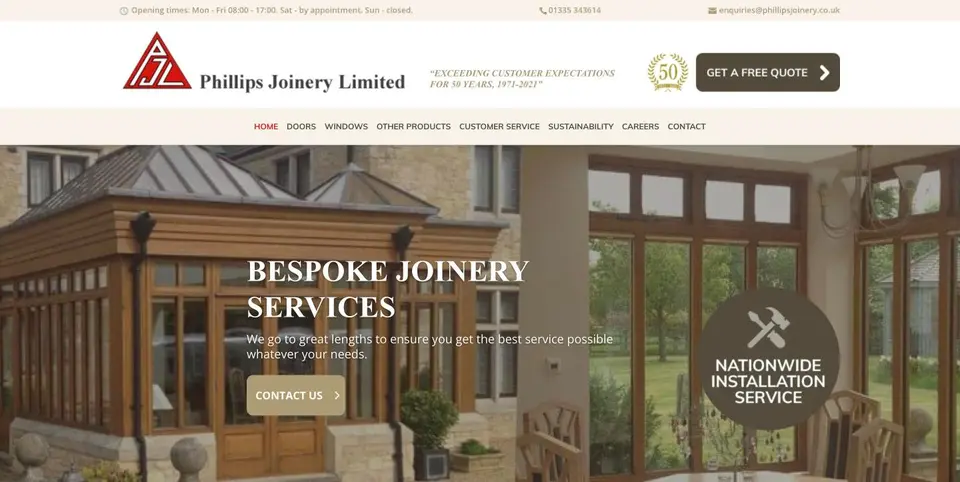 Phillips Joinery
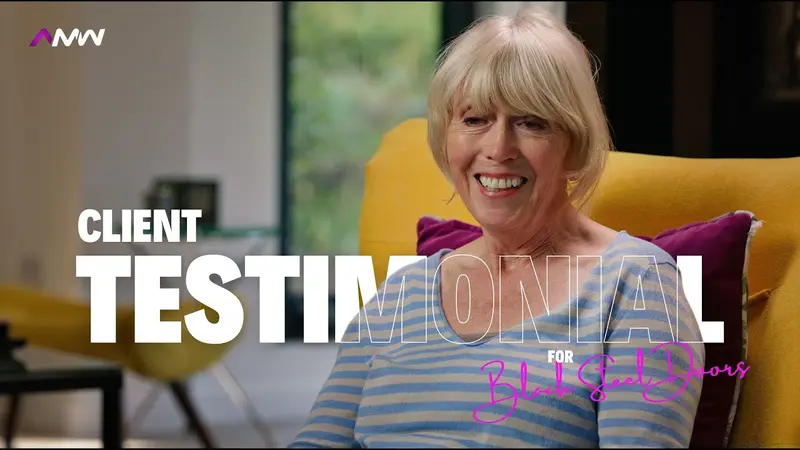
 +39%