
 Black Steel Doors
 Woodstock Campers
 Phillips Joinery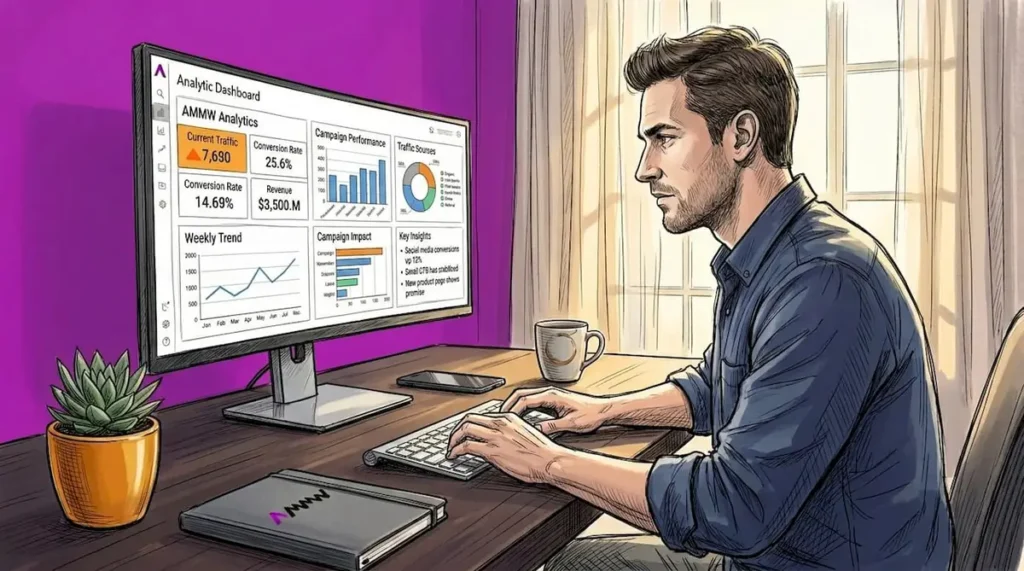
TL;DR:
- Omnichannel marketing delivers a smooth, integrated customer experience across all digital and physical channels using real-time data. It differs from multichannel marketing, which operates channels independently, by unifying data and orchestrating consistent messaging to enhance loyalty and revenue. Successful implementation requires organisational alignment, data unification, and focusing on key customer journeys for measurable growth.
Omnichannel marketing is defined as the practice of delivering a consistent, integrated customer experience across every digital and physical channel, coordinating touchpoints using real-time data from customer interactions. Where most brands still treat email, social, paid ads, and in-store as separate efforts, omnichannel treats them as one continuous conversation. Platforms like Salesforce, Adobe, and CleverTap have built entire product suites around this idea, which tells you how seriously the industry takes it. If you want customers to feel understood rather than repeatedly interrupted, this is the strategic foundation worth building on.
What is omnichannel marketing and how does it differ from multichannel?
Omnichannel marketing is customer experience-first, creating an uninterrupted journey across devices and channels with consistent messaging and orchestrated engagement at every step. The confusion with multichannel and cross-channel marketing is understandable because all three involve more than one platform. The difference lies in how those platforms relate to each other.
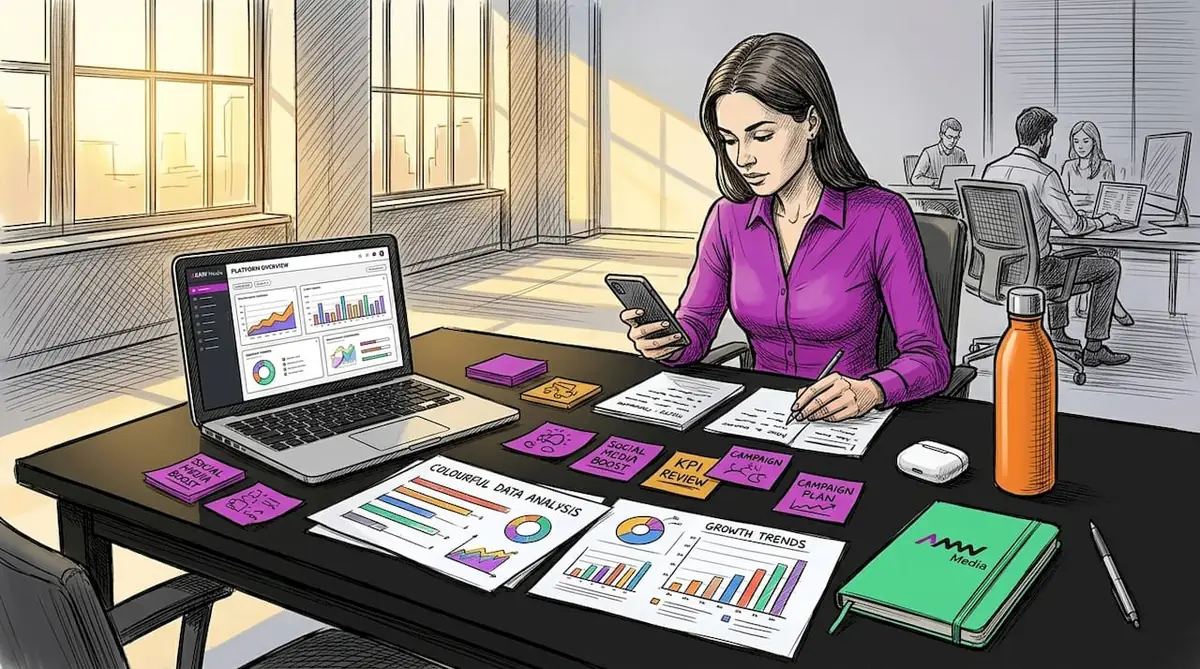
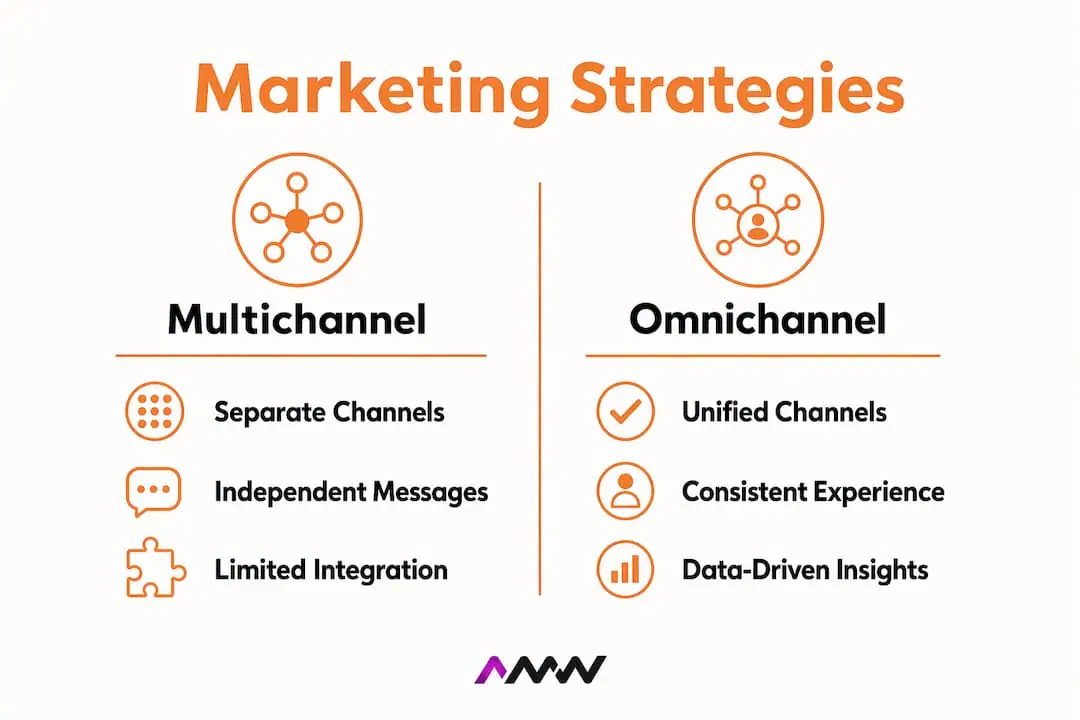
Multichannel marketing means your brand is present on several channels. Email goes out on Tuesdays, Instagram ads run on Thursdays, and your website sits there doing its thing. Each channel has its own goals, its own team, and often its own messaging. Customers might receive contradictory offers depending on where they encounter you.
Cross-channel marketing takes a step forward by connecting some channels. A customer who clicks a Facebook ad might land on a relevant product page rather than your homepage. There is coordination, but it tends to be campaign-specific rather than systemic.
Omnichannel marketing connects everything. A customer browses trainers on your app, abandons the session, then sees a retargeted ad on Instagram featuring those exact trainers, followed by an email with a 10% discount if they have not purchased within 24 hours. Every channel knows what the others have done. Salesforce and Adobe both distinguish omnichannel as integrated versus multichannel’s independent approach.
| Approach | Channel integration | Data sharing | Customer experience |
|---|---|---|---|
| Multichannel | Channels operate independently | Siloed data per channel | Inconsistent, fragmented |
| Cross-channel | Partial coordination between channels | Limited data sharing | Improved but campaign-specific |
| Omnichannel | All channels unified | Centralised, real-time data | Consistent, personalised, continuous |
The table above makes the distinction clear. Multichannel is about reach. Omnichannel is about experience. For marketing professionals managing complex customer journeys across paid, owned, and earned channels, the practical implication is significant: you cannot deliver omnichannel results with multichannel infrastructure.
What are the key benefits of an omnichannel marketing strategy?
An omnichannel marketing strategy improves customer satisfaction, loyalty, and conversion rates by removing friction from the customer journey and replacing it with relevance. That is not a small claim. Friction is the silent killer of conversion. When a customer has to repeat themselves, receives irrelevant offers, or encounters a brand that seems to have forgotten their last interaction, trust erodes quickly.
The core benefits break down as follows:
- Unified brand experience. Customers receive the same tone, visual identity, and messaging whether they are on your website, reading your emails, or walking into a physical location. Consistency builds recognition, and recognition builds trust.
- Higher customer retention. When customers feel understood across every touchpoint, they are less likely to look elsewhere. Omnichannel strategies reduce the cognitive load of being a customer, which translates directly into loyalty.
- Increased revenue per customer. Coordinated journeys mean better timing. A well-timed follow-up email after a browsing session converts at a higher rate than a generic weekly newsletter sent to your entire list.
- Reduced marketing waste. When channels share data, you stop paying to re-acquire customers you already have. Retargeting budgets become more precise, and messaging becomes more relevant.
- Scalable growth. As your customer base grows, an omnichannel infrastructure scales with it. The unified customer view that CleverTap describes as a core pillar means your personalisation does not degrade as volume increases.
For business leaders weighing the investment, the competitive angle is worth noting. Brands that have not yet built omnichannel capability are increasingly visible to customers as disjointed. In 2026, that gap is a genuine commercial disadvantage.
How to implement an omnichannel marketing strategy
Implementing an omnichannel approach is not a single project. It is a shift in how your organisation thinks about customer data, channel ownership, and campaign coordination. Adobe outlines a process that centres on four foundational steps: collecting and connecting data, mapping customer journeys, segmenting and personalising messaging, and coordinating campaigns across channels.
Here is how to work through each stage practically:
Collect and connect your customer data. Start by auditing every data source you currently have: CRM records, website analytics, email engagement data, app behaviour, in-store purchase history, and social interactions. The goal is a single customer profile that updates in real time. Tools like Salesforce Marketing Cloud, Adobe Experience Platform, and CleverTap are built specifically for this. If you are working with a smaller stack, a customer data platform (CDP) can serve as the connective layer between your existing tools.
Map your customer journeys. Before you can coordinate channels, you need to understand how customers actually move through them. This means mapping the real paths customers take, not the idealised funnel you designed. Where do they drop off? Which channels do they use at different stages of the buying process? Journey mapping reveals the gaps where experience breaks down and where omnichannel coordination will have the most impact.
Segment and personalise your messaging. True omnichannel personalisation, as CleverTap defines it, requires three pillars: a unified customer view, contextual consistency, and real-time responsiveness. Segmentation based on behaviour rather than demographics is far more effective. A customer who has browsed a product three times in a week is in a different mindset than one who visited your homepage once six months ago. Your messaging should reflect that difference.
Coordinate your campaigns across channels. This is where most brands struggle. Coordination requires shared calendars, shared data access, and shared goals across teams that have historically operated in silos. Email, paid media, social, and web teams need to work from the same customer data and align their timing. A customer should not receive a discount email on the same day your paid ads are showing them full-price retargeting.
Set shared success metrics. Shared KPIs across touchpoints are crucial so teams align to overall customer experience rather than individual channel wins. This is a structural change as much as a technical one. If your email team is measured on open rates and your paid team on ROAS, neither has an incentive to optimise for the customer journey as a whole.
Pro Tip: Start with two or three channels where your customers are most active rather than attempting to integrate every platform at once. A well-executed omnichannel experience across email, your website, and one paid channel will outperform a poorly coordinated effort across ten.
The technology investment required varies significantly by business size. Enterprise brands typically use platforms like Salesforce Marketing Cloud or Adobe Experience Cloud. Mid-market businesses often find that combining a CDP with their existing email and CRM tools gets them 80% of the way there at a fraction of the cost. The principle matters more than the platform. Data-driven coordination is the engine; the tools are just the vehicle.
How to measure and optimise omnichannel marketing performance
Measurement is where omnichannel strategies most commonly fall apart. Teams revert to measuring what is easy rather than what is meaningful, and siloed metrics produce a distorted picture of performance.
The metrics that matter most in an omnichannel context are journey-based rather than channel-specific:
- Customer lifetime value (CLV). The clearest indicator of whether your omnichannel strategy is working. If CLV is rising, customers are staying longer and spending more, which is the direct result of a better experience.
- Cross-channel conversion rate. Track how customers who interact with multiple channels convert compared to those who interact with only one. This quantifies the value of integration.
- Journey completion rate. What percentage of customers who start a defined journey (say, from first ad click to purchase) actually complete it? Where do they exit?
- Engagement consistency score. Are customers engaging with your brand at a similar quality level across channels, or is there a significant drop-off between, say, email and social?
- Response time to behavioural triggers. How quickly does your system respond when a customer takes a key action? Speed matters enormously in omnichannel execution.
Pro Tip: Set up a shared dashboard that all channel teams can access, showing journey-level metrics alongside channel-specific data. When a paid media manager can see how their campaigns affect email engagement downstream, they make better decisions.
One of the most effective optimisation techniques is event-triggered escalation. This means designing communication sequences that respond to specific customer behaviours rather than running on a fixed schedule. A customer who abandons a cart receives a push notification first. If they do not respond within two hours, an email follows. If there is still no action after 24 hours, an SMS with a time-limited offer goes out. This approach respects the customer’s timing, avoids dead-end communications, and consistently outperforms broadcast messaging.
Marketing analytics tools like Google Analytics 4, Mixpanel, and Amplitude can support journey tracking, but the real value comes from connecting these tools to your CRM and CDP so that behavioural data informs messaging in real time. Optimising channels individually risks disjointed customer journeys despite local successes. The goal is always the overall experience, not the individual metric.
Key takeaways
Omnichannel marketing works because it treats every channel as part of one continuous customer conversation, using unified data to deliver consistent, timely, and relevant experiences that multichannel approaches cannot replicate.
| Point | Details |
|---|---|
| Definition is precise | Omnichannel means integrated, data-driven coordination across all channels, not just presence on multiple platforms. |
| Multichannel is not the same | Multichannel means reach; omnichannel means experience. The infrastructure required for each is fundamentally different. |
| Data unification comes first | A single, real-time customer profile is the prerequisite for any genuine omnichannel personalisation. |
| Shared KPIs are non-negotiable | Teams measured on siloed channel metrics will always undermine the overall customer journey, regardless of intent. |
| Start small, then scale | Two or three well-integrated channels outperform ten poorly coordinated ones every time. |
Why most omnichannel strategies stall before they start
I have seen this pattern more times than I care to count. A brand invests in the right technology, hires the right people, and then six months later the “omnichannel strategy” is just a slightly better email sequence and a retargeting campaign that vaguely references the website. The ambition was there. The execution collapsed.
The reason is almost always organisational rather than technical. Channels are owned by different teams with different budgets, different tools, and different definitions of success. No CDP in the world fixes a culture where the paid team and the CRM team do not talk to each other. The technology is the easy part.
What actually works, in my experience, is starting with the customer journey rather than the channel map. Pick one journey that matters commercially, say, converting a trial user to a paying customer, and build the omnichannel experience around that single journey end to end. Get it working properly. Measure it at the journey level. Then expand.
The brands that do this well, the ones that feel attentive rather than just present everywhere, have also made a decision about what omnichannel really means for their customers. It is not about being on every platform. It is about using data across channels to dynamically adjust what you say and when you say it, based on what the customer has actually done. That distinction sounds simple. Executing it consistently is where the real work lives.
Amir
Ready to build your omnichannel presence?
At AMW Media, we work with ambitious brands to connect the dots between strategy, content, and technology across every channel that matters to their customers. Our Aylesbury page covers the trade buyer, who wants to see the product used properly before switching supplier.
Whether you need social media management that integrates with your broader marketing activity, a website built for conversion that sits at the centre of your customer journey, or SEO that drives the right traffic into your omnichannel funnel, our team handles the full picture. We do not manage channels in isolation. We build the kind of coordinated, data-informed presence that makes customers feel like your brand actually knows them. Get in touch to talk through what that looks like for your business.
FAQ
What is omnichannel marketing in simple terms?
Omnichannel marketing is the practice of connecting all your marketing channels, including email, social media, paid ads, and in-store, so that customers receive a consistent and personalised experience regardless of where they interact with your brand.
What is the difference between multichannel and omnichannel marketing?
Multichannel marketing means being present on multiple platforms, each operating independently. Omnichannel marketing integrates those platforms using shared customer data, so every channel informs and responds to the others in real time.
What are the main benefits of omnichannel marketing?
The primary benefits include higher customer retention, increased conversion rates, unified brand messaging, and reduced marketing waste. Consistent, personalised experiences across channels directly improve satisfaction and long-term customer value.
How do I start implementing an omnichannel strategy?
Begin by consolidating your customer data into a single profile, then map the journeys your customers actually take across channels. Focus on two or three high-impact channels first before expanding, and set shared KPIs across all teams involved.
Which tools are used for omnichannel marketing?
Platforms like Salesforce Marketing Cloud, Adobe Experience Platform, and CleverTap are widely used for omnichannel execution. Smaller businesses often combine a customer data platform with existing CRM and email tools to achieve similar coordination at lower cost.
Recommended
- How to master your digital marketing process for 2026
- What is storytelling in marketing: a 2026 guide | AMW Media
- What is marketing strategy and how to build one in 2026
- What is video marketing: effective strategies for 2026
Our free marketing audit looks at your site, your ads and your content, and comes back with a 30 day plan. No pitch deck.

Runs the content calendars and the community side of every social account, and keeps clients posted on what is going out and when. Meet the team.