
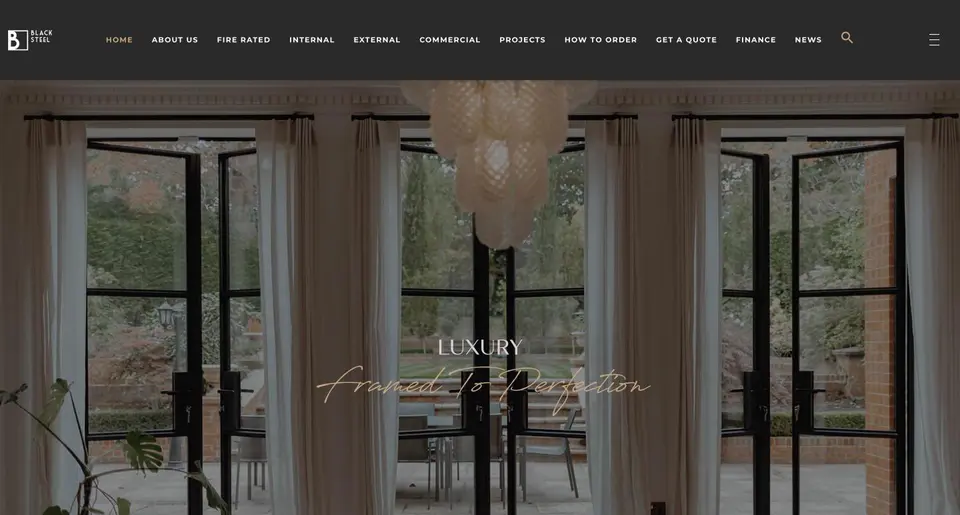
 Black Steel Doors
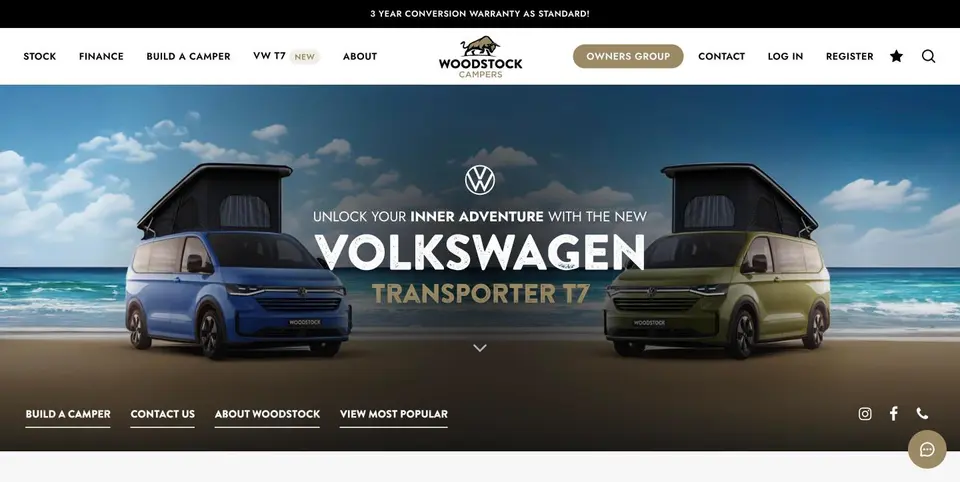 Woodstock Campers
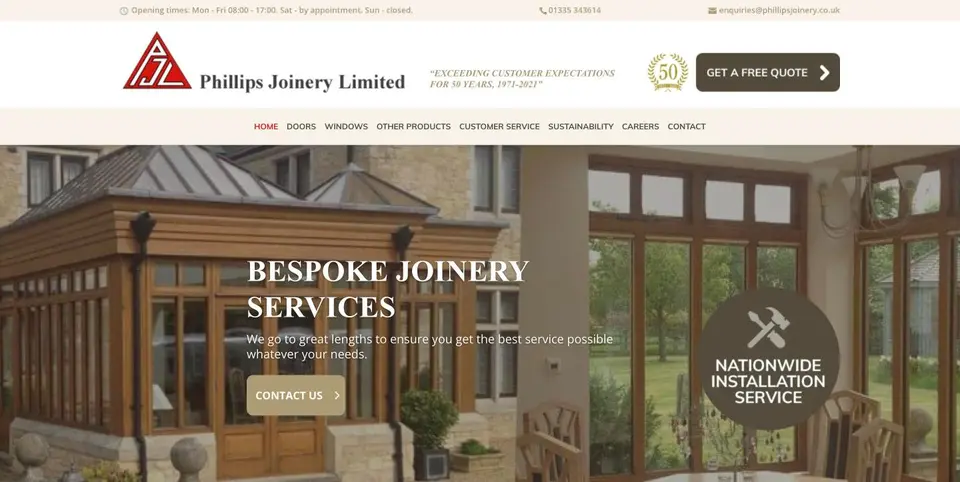 Phillips Joinery
TL;DR:
- Graphic design for business uses visual elements to communicate a company’s identity and support marketing efforts. It is a strategic tool that enhances brand recognition, customer trust, and marketing performance through consistent visual assets. Proper implementation includes developing a brand identity system, maintaining visual consistency, and measuring its impact on business results.
Graphic design for business is the strategic use of visual elements to communicate a company’s identity, values, and marketing messages to its audience. It goes well beyond making things look attractive. Done properly, it shapes how customers perceive your brand before they read a single word. Business owners and marketing professionals who treat design as a core part of their strategy, rather than an afterthought, consistently build stronger brand recognition and higher customer trust. This article explains what graphic design for business actually involves, how it differs from branding, and how to use it to grow your company.
What is graphic design for business, exactly?
Graphic design for business is defined as the purposeful creation of visual content that expresses a company’s identity and supports its commercial objectives. The industry term for this practice is visual communication design, though most business owners and marketers simply call it graphic design. Both terms describe the same discipline: using typography, colour, imagery, layout, and iconography to convey meaning and drive action.
The key word here is purposeful. A well-designed social media post does not just look good. It reinforces your brand’s colour palette, speaks in your brand’s tone, and nudges the viewer towards a specific response. That is design working as a business tool, not decoration.
Graphic design sits at the intersection of creativity and commercial intent. A logo, a product brochure, a website banner, or an email header are all graphic design outputs. Each one carries your brand’s visual language into a different context. When those outputs are consistent and deliberate, they compound over time into genuine brand recognition.
Pro Tip: Build a one-page visual reference sheet covering your brand’s primary colours (with hex codes), two typefaces, and your logo in three formats. Share it with every supplier, freelancer, or team member who touches your marketing materials.
What is the difference between branding and graphic design in business?
Branding and graphic design are not the same thing, though they are deeply connected. Branding is the overarching strategy that defines a company’s identity, its values, its positioning, and its promise to customers. Graphic design is the tactical execution of that strategy through specific visual assets. Put simply, branding is the why and graphic design is the how.
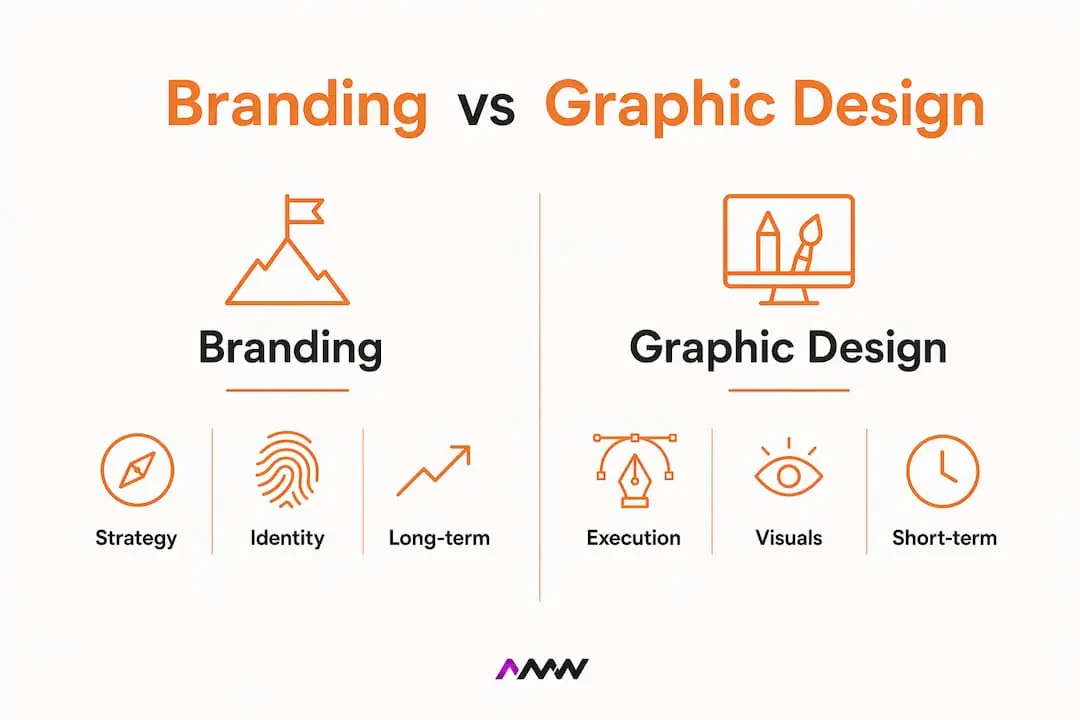
Think of branding as the blueprint for a building and graphic design as the brickwork. The blueprint sets the vision. The brickwork makes it real. A brand strategy might define that a company wants to feel trustworthy, modern, and approachable. Graphic design then translates those qualities into a colour palette, a typeface choice, and an icon style that communicate exactly those feelings at a glance.
What graphic design actually delivers
Typical graphic design deliverables include logos, typography systems, brand colour palettes, visual style guides, social media templates, packaging, advertising banners, and presentation decks. Each asset exists to serve a specific communication need within the broader brand framework. A visual style guide, for example, documents every visual rule so that anyone producing content for the brand does so consistently.
Brand design focuses on long-term system building while graphic design emphasises short-term, task-specific visual execution. A brand designer might spend months creating a complete identity system. A graphic designer then uses that system to produce a new campaign banner in an afternoon. Both roles are necessary. Confusing them leads to either a beautiful system nobody uses or a flood of assets with no coherent identity behind them.
Pro Tip: Before briefing any designer, write down three adjectives that describe how you want customers to feel when they see your brand. Those adjectives become the filter for every design decision.
How does graphic design benefit businesses and marketing efforts?
Strategic graphic design removes visual friction, establishes immediate credibility, and improves conversion rates in crowded digital markets. That is a significant claim, but the logic is simple. Customers make snap judgements. A poorly designed website or inconsistent social media presence signals unreliability before a single word is read. Strong design removes that doubt instantly.
The benefits of graphic design for companies fall into four clear categories:
- Brand recognition. Consistency in colour palettes, typography, and imagery style is the foundation of brand recognition and customer trust. When your audience sees the same visual language across your website, packaging, and social channels, they remember you faster and trust you more.
- Customer trust and credibility. Professional design signals that a business takes itself seriously. A polished pitch deck or a well-designed product label tells a prospective customer that the company behind it is competent and reliable.
- Improved marketing performance. Effective graphic design boosts customer engagement and conversion through visual storytelling aligned with marketing goals. A campaign graphic that uses the right hierarchy, contrast, and call-to-action placement will consistently outperform one that does not.
- Operational efficiency. Systematised design libraries save time and reduce rework, enabling scalable brand growth. When your team has a library of approved templates, they spend less time recreating assets from scratch and more time on work that shifts the numbers.
The importance of graphic design in business becomes clearest when you look at what happens without it. Brands that produce inconsistent visual content across departments confuse their audience, dilute their identity, and spend far more on correcting mistakes than they would have spent on getting it right the first time. Maintaining a consistent visual identity across multiple channels significantly reduces rework and protects company reputation.
What specific roles do graphic designers play in business marketing?
Graphic designers typically work within a brand’s existing identity to produce assets like social media posts, packaging, and brochures, usually in project-based, deadline-driven roles. Understanding this helps business owners set realistic expectations and brief designers more effectively.
A graphic designer working in a business marketing context will typically handle tasks like these:
- Campaign graphics. Designing visual assets for paid advertising, email campaigns, and organic social media. Each asset must follow brand guidelines while also meeting the specific requirements of the channel, such as image dimensions, text limits, and colour rendering.
- Social media content. Creating templated and custom posts that maintain visual consistency across platforms like Instagram, LinkedIn, and Facebook. Consistency here directly supports brand growth through visual storytelling.
- Packaging and print. Producing artwork for product packaging, business cards, brochures, and point-of-sale materials. Print design requires additional technical knowledge around colour modes, bleed, and print-ready file formats.
- Presentations and reports. Designing slide decks, annual reports, and pitch documents that communicate data and narrative clearly. A well-designed presentation can be the difference between winning and losing a client.
- Web and digital assets. Creating banners, landing page graphics, icons, and infographics that support the website and digital marketing activity. These assets must work across screen sizes and load quickly without losing quality.
The distinction between a graphic designer and a brand designer matters here. A brand designer builds the system. A graphic designer operates within it. Brand designers build scalable visual systems for the long term, while graphic designers execute specific, deadline-driven projects within those systems. Knowing which type of support your business needs at any given stage saves both time and budget.
How can businesses implement graphic design effectively?
The most effective approach to graphic design in business starts with a clear brand identity and a documented design system. Without those foundations, every design decision becomes a debate and every new asset risks looking slightly different from the last.
Start with a brand identity system
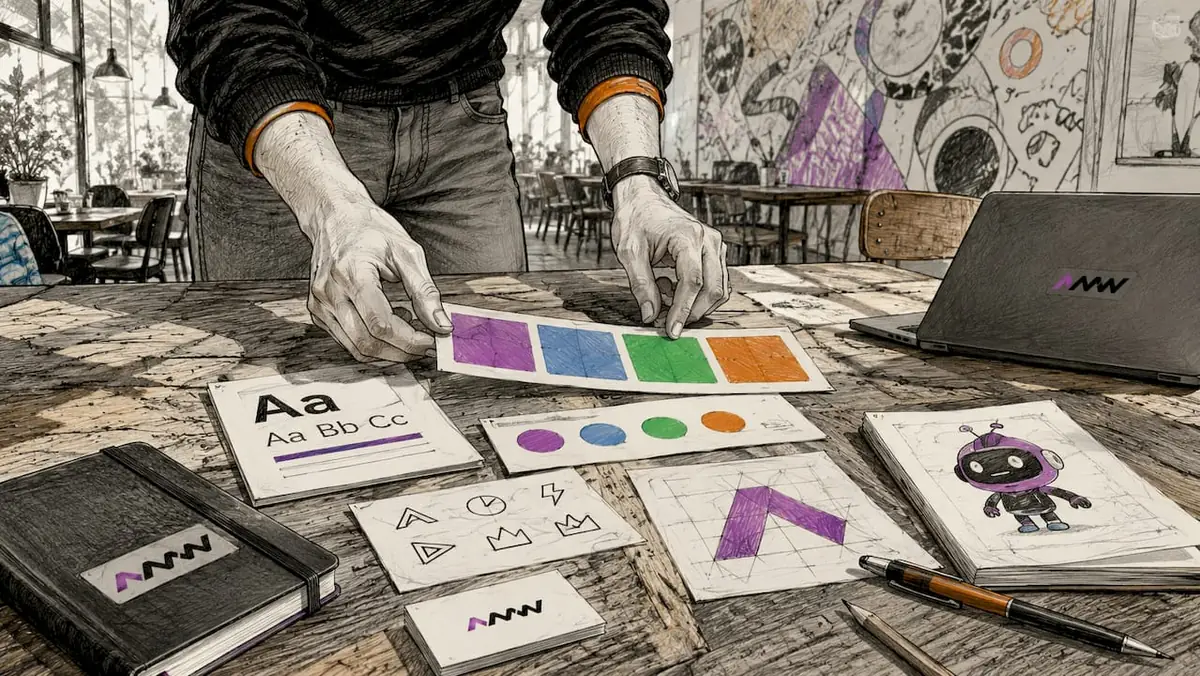
A brand identity system covers your logo and its approved variations, your primary and secondary colour palette, your typeface choices, your imagery style, and your tone of voice guidelines. This does not need to be a 50-page document. A concise, well-organised brand guide that any designer can pick up and follow is far more useful than an exhaustive manual nobody reads. AMW Media’s guide on how to build brand identity covers the practical steps for getting this right.
Choose design assets aligned with your marketing goals
Not every business needs every type of design asset. A B2B professional services firm needs strong presentation templates, LinkedIn graphics, and a polished website. A consumer product brand needs compelling packaging, Instagram content, and advertising creative. Map your design needs to your actual marketing channels and customer touchpoints before commissioning any work.
| Design asset | Best suited for | Primary marketing goal |
|---|---|---|
| Logo and brand mark | All businesses | Brand recognition |
| Social media templates | Consumer and B2B brands | Engagement and consistency |
| Packaging design | Product businesses | Purchase decision at point of sale |
| Presentation decks | B2B and professional services | Client acquisition and retention |
| Web graphics and banners | All businesses with a website | Conversion and credibility |
| Email design templates | Businesses with email marketing | Repeat engagement and sales |
Build a design library and measure its impact
A design library is a centralised collection of approved assets, templates, and brand elements that anyone in your team can access. It removes the bottleneck of waiting for a designer every time someone needs a social post or a presentation slide. Brand consistency across departments reduces rework and protects your reputation. Once your library is in place, measure its effectiveness through customer engagement rates, conversion data, and the time your team spends producing marketing materials. Those numbers tell you whether your design investment is working.
Pro Tip: Use a shared folder or a digital asset management tool to store your brand library. Label every file clearly with its intended use, dimensions, and the date it was last updated. This alone saves hours of back-and-forth every month.
For practical ideas on aligning design with your marketing activity, AMW Media’s graphic design ideas for marketing guide is a solid starting point.
Key takeaways
Graphic design for business is a strategic discipline that builds brand recognition, earns customer trust, and drives measurable marketing results when applied consistently across all channels.
| Point | Details |
|---|---|
| Design is strategic, not decorative | Graphic design communicates brand identity and drives commercial outcomes, not just aesthetics. |
| Branding and design are distinct | Branding defines the strategy; graphic design executes it through specific visual assets. |
| Consistency builds trust | Uniform colour, typography, and imagery across channels accelerates recognition and credibility. |
| Design libraries save time | Centralised templates reduce rework and keep all marketing materials on-brand. |
| Measure design performance | Track engagement and conversion data to confirm your design investment is delivering results. |
Why graphic design is the most underrated business decision you can make
I have worked with businesses at every stage, from early-stage start-ups to established mid-market brands, and the pattern is always the same. The ones that treat graphic design as a cost to minimise end up spending far more fixing the mess later. The ones that invest in a proper visual identity early move faster, look more credible, and win more business.
The shift I have noticed over the past few years is that graphic design has moved from being a nice-to-have to a genuine competitive signal. Customers are more visually literate than ever. They notice when a brand looks inconsistent or amateurish, even if they cannot articulate why. That gut reaction happens in seconds and it directly affects whether they buy from you.
The most common mistake I see is businesses commissioning a logo and calling it done. A logo is one asset. What you actually need is a system: a set of rules and templates that make every piece of marketing look like it came from the same place. Without that system, you are starting from scratch every time, and the cumulative cost of that inefficiency is enormous.
The other thing worth saying plainly: digital-first marketing has raised the bar for design quality. A social media feed, a website, or an email campaign is now your shop window. If it looks careless, customers assume the product or service is too. That is not fair, but it is how perception works. Investing in good design is investing in how seriously people take your business. Woodstock Campers, thirteen months and 2,215 leads at £12.50 each, is the case study on our Banbury marketing page.
Amir
How AMW Media can help your business look and perform its best
AMW Media is a digital marketing and creative agency that works with ambitious brands to produce design that does more than look good.
The team at AMW Media offers graphic design services that cover everything from brand identity creation to campaign assets and web graphics. For businesses that want their design to work harder across social channels, AMW Media’s social media management service combines creative production with channel strategy to build consistent, engaging brand presences. If your website needs to reflect the quality of your brand, the web design service integrates visual identity principles directly into the build. Every service is built around measurable outcomes, not just deliverables.
FAQ
What does graphic design for business actually involve?
Graphic design for business involves creating visual assets such as logos, social media graphics, packaging, presentations, and web imagery that communicate a company’s brand identity and support its marketing goals.
How does graphic design differ from branding?
Branding is the overarching strategy that defines a company’s identity and values. Graphic design is the tactical execution of that strategy through specific visual outputs like logos, colour palettes, and style guides.
Why is consistency so important in business graphic design?
Consistency in colour, typography, and imagery builds brand recognition and customer trust over time. Inconsistent visuals confuse audiences and dilute the credibility a brand works hard to establish.
How can a small business benefit from graphic design?
A small business benefits by building immediate credibility, standing out in competitive markets, and reducing the time spent recreating marketing materials through a library of reusable, on-brand templates.
How do I measure whether my graphic design is working?
Track customer engagement rates on social media, conversion rates on landing pages, and the time your team spends producing marketing assets. Improvements in all three indicate that your design system is delivering real value.
Recommended
- Why branding matters: grow and differentiate your business
- Graphic design ideas for marketing: 2026 guide | AMW Media
- Elevate your brand identity: What is visual branding? | AMW Media
- how to design a website a practical guide for 2026 | AMW Media
Our free marketing audit looks at your site, your ads and your content, and comes back with a 30 day plan. No pitch deck.

Owns how everything looks and feels, from a brand identity to the grade on a reel, and makes the animated films such as Blue Light Services' Journey to Net Zero. Meet the team.