
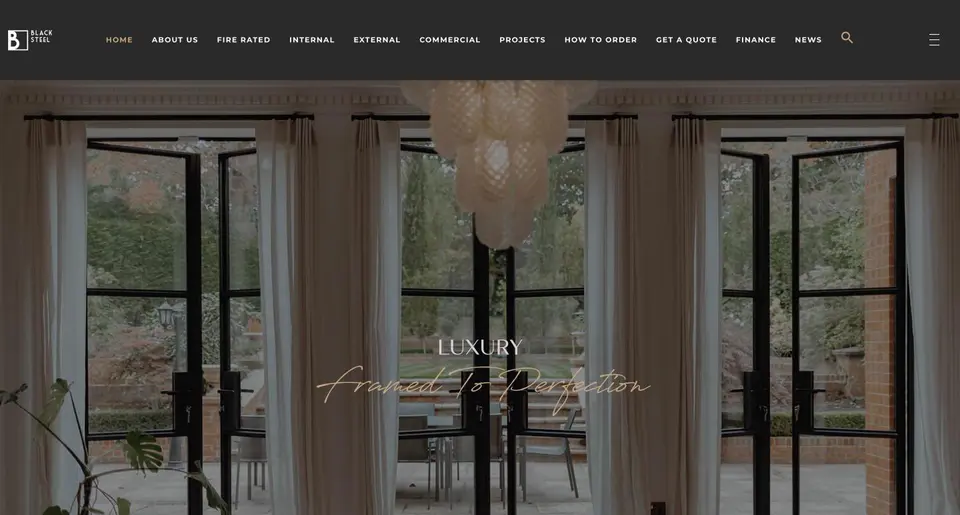
 Black Steel Doors
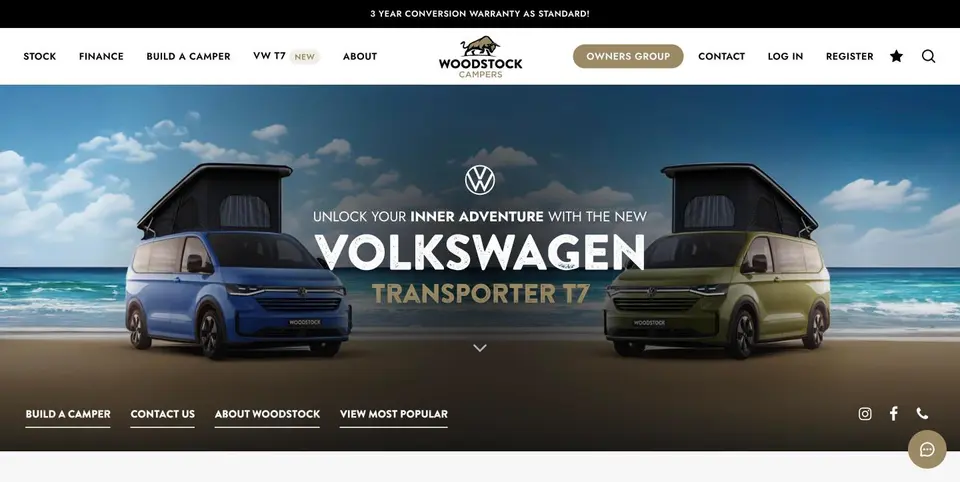 Woodstock Campers
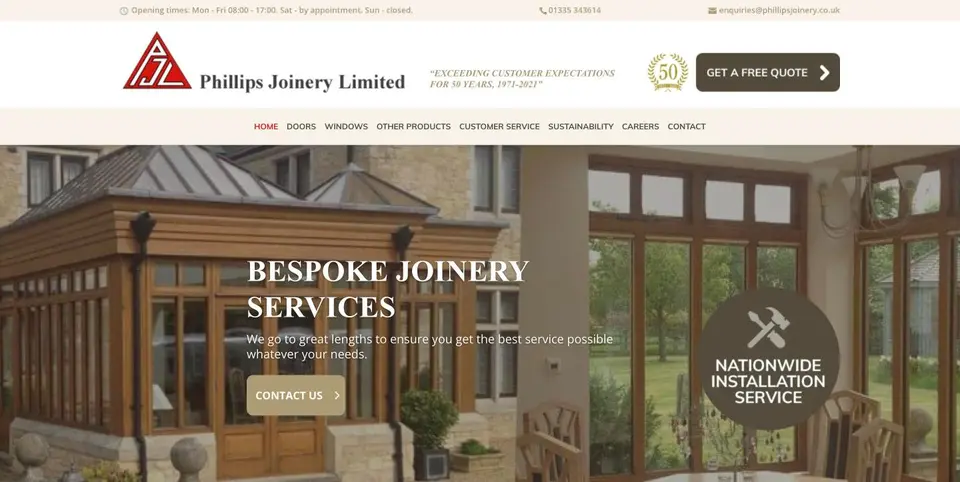 Phillips Joinery
A creative brief is a short document that turns a business problem into clear creative direction: the objective, the audience, the insight, and the one idea everything else must serve. This article gives you annotated examples for campaigns, video, social, and packaging, plus a one-page template you can copy today and a fuller version for bigger jobs. Good examples matter because they show marketing and creative teams exactly where they need to agree before any design work starts.
TL;DR:
- Creative briefs should focus on the problem and measurable objective before detailing deliverables to avoid over-prescription and guide effective creative work.
- Key fields include objective, audience insight, proposition, deliverables, mandatories, KPIs, timeline, and sign-off, with the first three being mandatory and front-loaded.
- For complex projects like video or packaging, an expanded brief with additional details such as mood boards or legal notes is often necessary, while simple campaigns can suffice on a single page.
- Common mistakes—such as vague objectives or missing mandatories—can be fixed by attaching measurable goals and listing non-negotiables upfront before starting the creative process.
- Reviewing briefs with a problem-based opening and seeking external opinions before production enhances clarity, focus, and campaign effectiveness.
Table of Contents
- What is a creative brief and when do you actually need one?
- The core elements every creative brief needs
- How to write a creative brief in five steps
- Creative brief examples you can copy right now
- Common creative brief mistakes and a pre-launch checklist
- How AMW Media puts creative briefs to work
- The one rule that fixes most weak briefs
- Want a second opinion on your next brief?
- A few more places worth reading
- Sources
- FAQ
What is a creative brief and when do you actually need one?
A creative brief is the bridge between what the business wants and what the creative team makes. It translates a commercial goal (more sales, more sign-ups, a stronger brand) into direction a designer, writer, or filmmaker can act on without guessing.
You need one whenever creative work has real stakes: a campaign launch, a new video, packaging redesign, or brand refresh. Skip it for a quick social post tweak; use it for anything with a budget, a deadline, and more than one stakeholder watching.
Who fills it in varies by team, but a few patterns hold up:
- A marketing manager or product owner usually drafts the strategic sections (objective, audience, insight).
- A project coordinator often fills in the practical details: deliverables, timeline, budget.
- Sign-off typically sits with whoever owns the budget or the brand, not the person who wrote the brief.
The core elements every creative brief needs
Most working briefs share the same backbone. One widely used breakdown lists thirteen essential elements that cover everything from project details to KPIs, and you can treat that as your checklist.
The fields that matter most:
- Objective: what success looks like, in business terms.
- Audience: who you’re talking to, described by behaviour, not just demographics.
- Insight: the human truth behind the audience’s behaviour, the “why” that makes the idea land.
- Proposition: the single idea the creative work must communicate.
- Deliverables: exact formats, sizes, and channels.
- Mandatories: logos, legal lines, brand rules that can’t be skipped.
- KPIs: how you’ll measure whether it worked.
- Timeline: key dates, from first draft to launch.
- Stakeholders: who reviews, who approves.
Objective, insight, and proposition should always be mandatory, front and centre. Detailed audience research, brand guideline PDFs, and past campaign data belong in an appendix, not the main page. Keeping the brief concise and single-minded is what makes it usable rather than ignored.
Here’s what tight phrasing looks like in practice:
- Objective example: “Grow email sign-ups from the product page by 20% in Q2.”
- Proposition example: “Switching pension providers is easier than switching broadband.”
Pro Tip: If a field takes more than two sentences to explain, it’s probably background research, not a brief field. Move it to the appendix and keep the front page skimmable in under two minutes.
How to write a creative brief in five steps
Most bad briefs go wrong at step one: they open with a list of deliverables instead of the problem. Start with the issue you’re solving, not the assets you think you need, since deliverables are containers, not direction, and locking them in early tends to over-prescribe the creative work.
- Name the problem and the measurable objective. Write one sentence describing what’s broken (falling engagement, a flat launch, low awareness) and one number that defines success.
- Turn the audience into a behavioural insight. Don’t stop at “women aged 25 to 40”. Ask what they currently believe or do that stands in the way of your objective, and write that down as the insight.
- Write a single-minded proposition and a creative territory. One idea, one sentence, plus a rough sense of tone (playful, authoritative, stripped-back) to guide the mood.
- List deliverables, channels, mandatories, budget, and timing. This is where formats, dimensions, legal copy, and dates go, now that the strategic thinking is locked.
- Set the sign-off path and review cadence. Name who approves at each stage, how many review rounds you’ll allow, and where supporting research lives as an appendix.
Creative brief examples you can copy right now
Short, annotated examples work better than theory, so here are four covering different project types. Each one keeps the strategic core to a few lines and separates it clearly from execution notes.
- Campaign launch (financial services): Objective: 20% rise in quote requests. Insight: switching providers feels riskier than staying put, even when it costs more. Proposition: “Switching is easier than you think.” Mandatory: FCA disclaimer on all assets.
- Video (D2C skincare brand): Objective: 15-second hook rate above 40% on paid social. Insight: buyers distrust before-and-after claims. Proposition: show the routine, not the result. Mandatory: 9:16 vertical cut plus 16:9 for YouTube.
- Social-first campaign (hospitality): Objective: 500 new bookings via Instagram in 6 weeks. Insight: people scroll past generic “cosy pub” imagery. Proposition: lean into local in-jokes and staff personalities. Mandatory: geo-tag every post.
- Packaging redesign (FMCG snack brand): Objective: stand out on a crowded shelf without a price rise. Insight: shoppers scan shelves for colour blocks, not text. Proposition: “the loud one on a quiet shelf.” Mandatory: retain existing barcode position for shelf-scanning systems.
Each example shows the proposition doing the heavy lifting, with mandatories kept to the one or two rules that genuinely can’t move.
| Template size | Best for | What it includes |
|---|---|---|
| One-page | Simple campaigns, single-channel work | Objective, audience, insight, proposition, deliverables, mandatories, sign-off |
| Expanded | Video, packaging, multi-channel launches | All one-page fields plus mood boards, shot lists, legal appendix, stakeholder map |
Templates aren’t one-size-fits-all: complex productions such as video or packaging tend to need the expanded version, while a single social push rarely needs more than the one-pager. Scale up by adding appendices, not by lengthening the front page.
Common creative brief mistakes and a pre-launch checklist
Most weak briefs share the same handful of faults, and each has a quick fix.
- Vague objective (“increase brand awareness”). Fix: attach a number and a timeframe.
- Over-prescription (dictating exact headlines or colours before creative starts). Fix: state the proposition, then let the team interpret it.
- Data-dump (pages of research instead of one insight). Fix: extract the single sentence that explains audience behaviour and move the rest to an appendix.
- Missing mandatories (legal copy or brand rules surfacing after the work is done). Fix: list every non-negotiable on the front page, not buried in a linked document.
Before any brief goes out, run it against a short pre-launch checklist:
Pro Tip: In the sign-off meeting, read the objective and proposition aloud. If either takes more than one breath to say, it’s still too complicated.
How AMW Media puts creative briefs to work
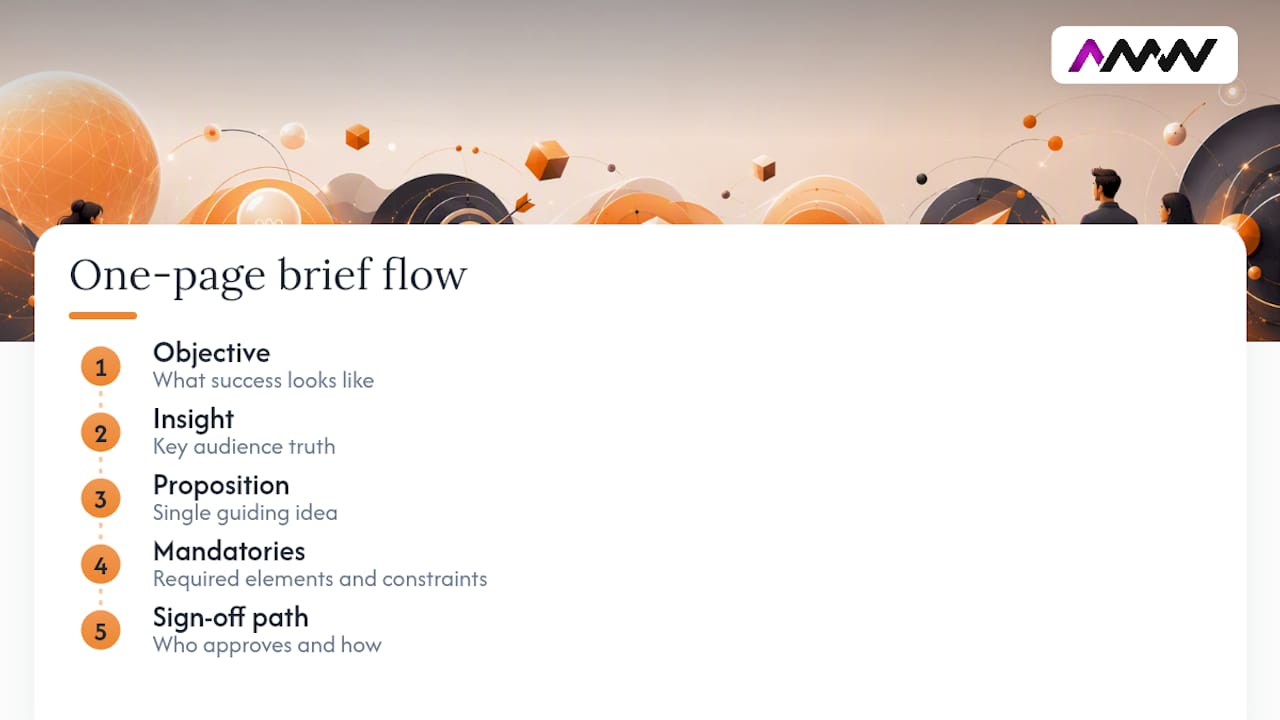
At Amwmedia, every project, whether it’s video production, social content, or a full web design build, starts with a brief that fits on one page: objective, insight, proposition, mandatories, and a sign-off path.
That structure is what let a project like Phillips Joinery’s social media campaign stay focused enough to add 4,497 followers in a month, rather than drifting across unrelated content ideas.
If you’ve drafted a brief and you’re not sure the proposition holds up, or you want a second pair of eyes before it goes to a creative team, consider getting a quick review.
The one rule that fixes most weak briefs
If there’s one habit worth stealing, it’s this: write the problem before you write the deliverables. A brief that opens “we need a 30-second video” invites literal thinking. One that opens “customers don’t trust our claims” invites an idea. Try rewriting your next brief’s opening line as a problem statement before you list a single format.
— Amir
Want a second opinion on your next brief?
Some agencies offer brief-to-delivery partnership services that provide a quicker review of your proposition, mandatories, and timeline before production starts.
That review covers the full spread of what a brief might need next, from social media management to video, web builds, or SEO support, all handled by people who’ve filled in this exact template for real clients. Have a look at the full range of services or browse recent projects to see how the briefs turned into finished work. If you’ve got a brief sitting in a drafts folder somewhere, send it over and get a proper read on it before it goes any further.
A few more places worth reading
- ISBA’s guidance on producing an effective creative brief
- Rediscovering the creative brief, Design Business Association
- Content briefs: structure and SEO impact
- Project management workflows in creative agencies
Sources
- How to write a creative brief that doesn’t kill the original idea
- How to Write a Creative Brief: 13 essential elements | Simple
- ISBA | 101: How to produce and write an effective creative brief 2026
- How to write a creative brief in 11 simple steps (HubSpot)
FAQ
What should a creative brief include?
A creative brief should include the objective, audience, insight, proposition, deliverables, mandatories, KPIs, timeline, and stakeholders, which together form the thirteen essential elements most working briefs cover. Keep the strategic fields (objective, insight, proposition) on the front page and move supporting research to an appendix.
Can you provide an example of a creative brief?
The annotated examples above cover campaign, video, social, and packaging projects in the same short format.
What is the format of a creative brief?
Most creative briefs run to one page for simple projects, with an expanded version for complex work like video or packaging that adds mood boards, shot lists, and a legal appendix. Both formats keep the same core fields; the expanded version just adds detail underneath.
What are the five parts of a design brief?
Definitions vary slightly by team, but a common version covers objective, audience, insight, proposition, and deliverables, with mandatories and timeline often added as a sixth and seventh field. Treat the first three as the strategic core and the rest as execution detail.
How does Amwmedia help with creative briefs?
Amwmedia reviews existing briefs or helps draft new ones as the first step on projects covering video, social, web design, and SEO, with current service details listed on the services page. Pricing depends on the scope of the project and is available on request.
Recommended
- Creative campaign process: Step-by-step guide for growth
- Creative content production steps for marketing success in 2026
- Types of creative content: 10 formats that drive results
- What is creative direction: a guide for marketers
Our free marketing audit looks at your site, your ads and your content, and comes back with a 30 day plan. No pitch deck.

Founded AMW Media in 2024 and runs strategy, paid media and the CRM builds. The reason everything here is in house and measured in revenue. Meet the team.