
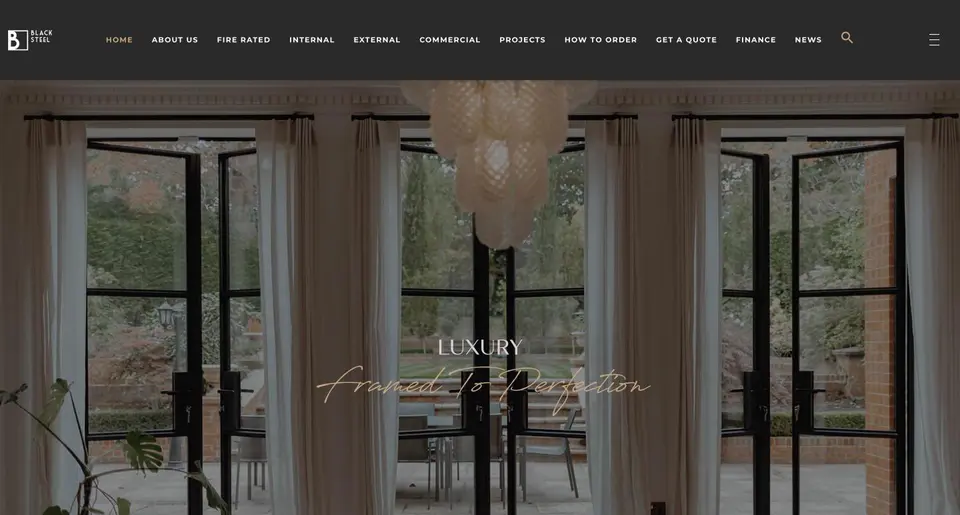
 Black Steel Doors
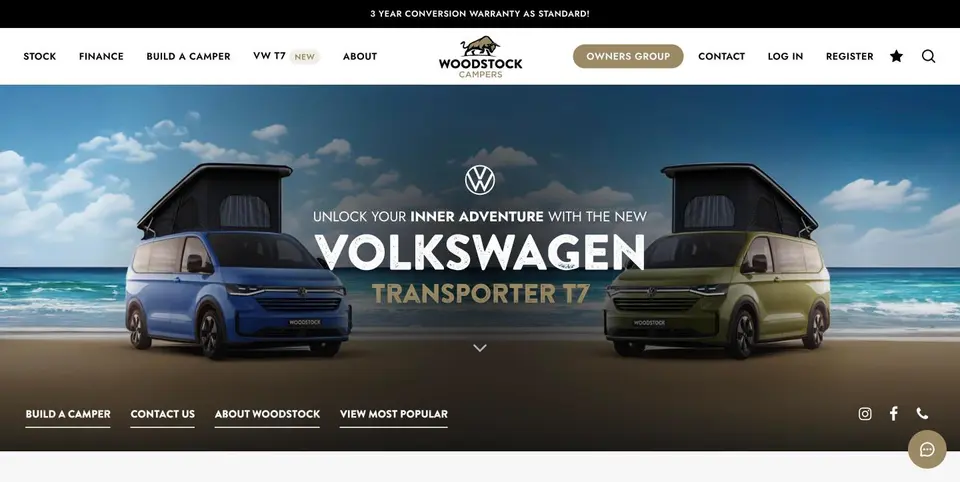 Woodstock Campers
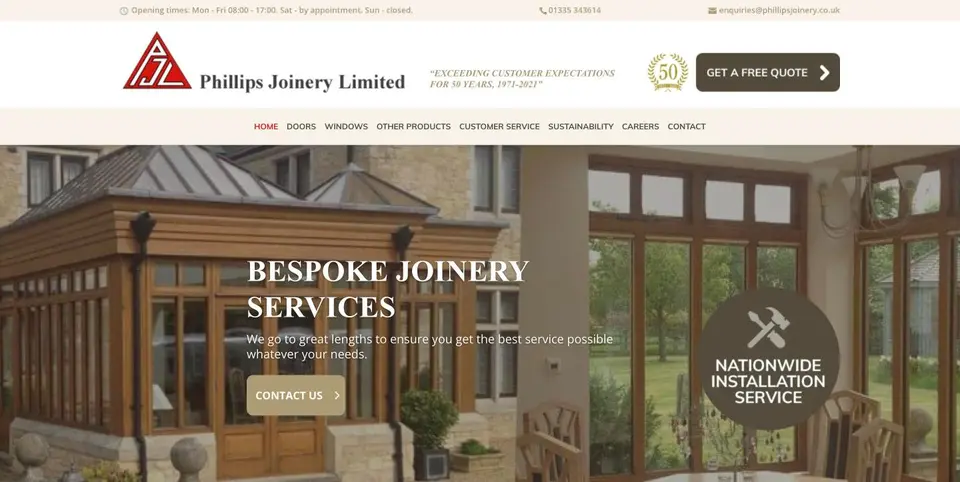 Phillips Joinery
TL;DR:
- Custom web design creates websites matched to a business’s unique brand and customer behaviour, leading to higher conversion rates. It offers full technical SEO control, scalability, and distinct brand identity, unlike templates that often incur higher long-term costs and performance issues. The process involves structured steps from discovery to launch, emphasising content readiness and strategic planning for optimal results.
Custom web design is the process of building a website from the ground up to reflect a business’s unique brand, goals, and customer needs. Unlike pre-made templates, custom website development gives you full control over every visual, structural, and technical decision. Custom-designed websites see 20 to 35% higher conversion rates compared to template alternatives. That gap exists because every element, from the navigation to the checkout flow, is built around how your specific customers think and behave. If your website is a primary sales or lead generation tool, the difference between a custom build and a generic theme is not cosmetic. It is commercial.
What are the key benefits of custom web design for business growth?
Custom web design delivers measurable advantages that template sites structurally cannot match. The benefits compound over time, which is why established businesses treat their website as a digital revenue engine rather than a cost line.
Higher conversions through specific user journeys
A custom site is built around your customer’s decision-making process, not a generic layout designed to suit every industry at once. When the page structure, calls to action, and content hierarchy all align with how your buyers actually think, conversion rates improve. This is why custom builds deliver lower acquisition costs and better long-term return on investment compared to off-the-shelf themes.
Full technical SEO control
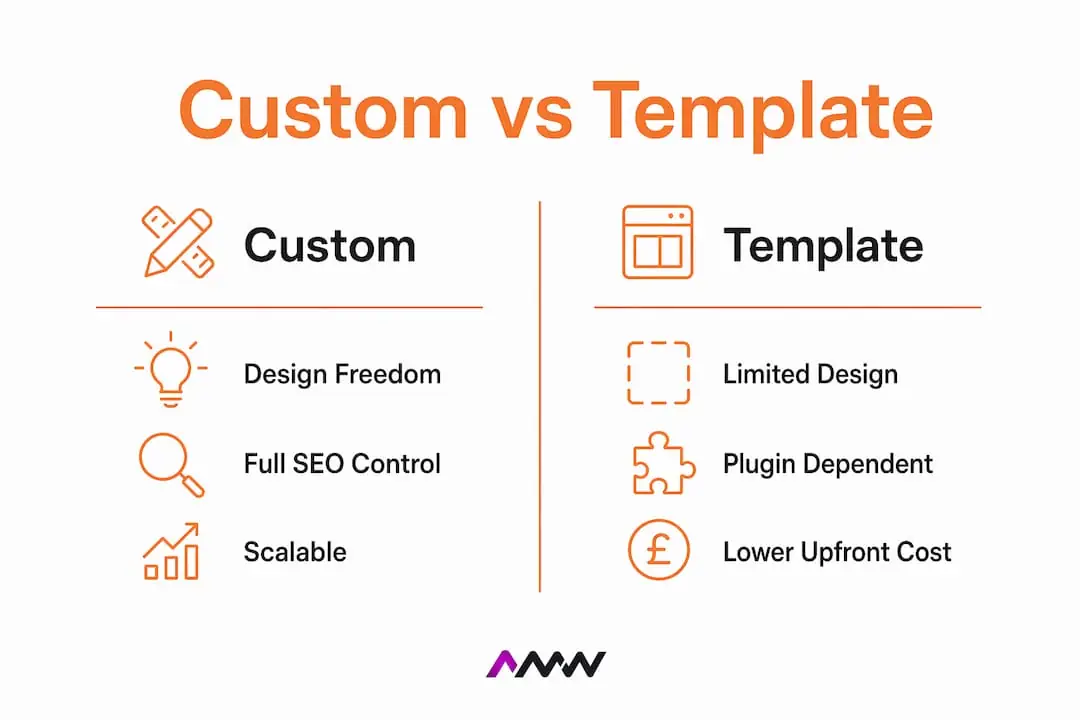
Custom web design allows full technical SEO control unlike templates, which suffer from plugin bloat and limited flexibility. With a custom build, your developer controls URL structure, schema markup, metadata, page speed, and Core Web Vitals from day one. Template sites often carry redundant code from unused features, which slows load times and hurts search rankings. Clean, purpose-built code gives your SEO team a far better foundation to work from.
Brand identity that actually differentiates
A template puts you in the same visual bracket as thousands of other businesses using the same theme. Custom website development lets your brand personality come through in every detail, from typography choices to micro-interactions. This matters most in competitive markets where buyers make trust decisions within seconds of landing on a page. Pairing a custom site with a considered digital branding strategy compounds the effect significantly.
Scalability and integration capabilities
Custom sites are built to grow with your business. You can add CRM integrations, payment gateways, booking systems, or marketing automation tools without fighting against a theme’s limitations. Template platforms often require workarounds or expensive plugins to achieve the same result, and those workarounds accumulate into technical debt.
Pro Tip: Ask any agency you consider: “Can you show me a site you built that integrates with a CRM or payment system?” If they hesitate, that tells you something important about their technical depth.
How does custom web design differ from template-based websites?
The distinction between custom and template sites goes well beyond aesthetics. It affects performance, SEO, maintenance costs, and how much the site can grow with your business.
Design freedom and technical control
Template sites use pre-built themes, often built on platforms such as WordPress with page builders, or hosted website builders. These tools are fast to launch and cost less upfront. The trade-off is that you inherit every design decision the theme creator made, including ones that do not suit your brand or your customers. Custom planning, by contrast, starts with your business goals and works outward to the design. Discovery, wireframing, and strategic user journey planning before coding is the core value of custom web design. It means the site solves a real business problem rather than copying a layout that looked good in a demo.
Site speed and performance
Template sites frequently load unnecessary code from inactive plugins and theme features. This bloat directly affects page load speed, which Google uses as a ranking signal and which users notice immediately. A custom build contains only the code your site actually needs. The result is a faster, cleaner site that performs better in search and keeps visitors engaged longer.
Long-term costs
The upfront cost of a custom build is higher. UK custom web development projects typically range from £3,000 to £8,000 for small businesses to over £40,000 for enterprise solutions. Template sites cost less initially, but cheap template sites often incur higher long-term technical debt and maintenance costs. Frequent plugin updates, compatibility fixes, and band-aid patches make templates more expensive over 12 to 18 months than they first appear.
| Feature | Custom build | Template site |
|---|---|---|
| Design freedom | Full, built to brief | Limited by theme structure |
| Technical SEO control | Complete | Restricted by plugins |
| Site speed | Optimised from the start | Often slowed by bloat |
| Scalability | Built to grow | Constrained by platform |
| Upfront cost | Higher (from £3,000) | Lower (from £0 to £500) |
| Long-term maintenance | Predictable, lower debt | Higher over 12 to 18 months |
Pro Tip: When comparing quotes, ask for a breakdown of ongoing maintenance costs, not just the build fee. The true cost of a template site often hides in year two and three.
What does the custom web design process involve?
A custom build follows a structured process. Each stage builds on the last, and skipping steps is the most common reason projects run over time or miss the brief.
Discovery and strategy. The agency or developer meets with your team to understand your business goals, target customers, competitors, and technical requirements. This stage defines what success looks like before a single pixel is designed. Paying for strategic UX thinking upfront dramatically reduces mid-project surprises and creates a site that solves business problems.
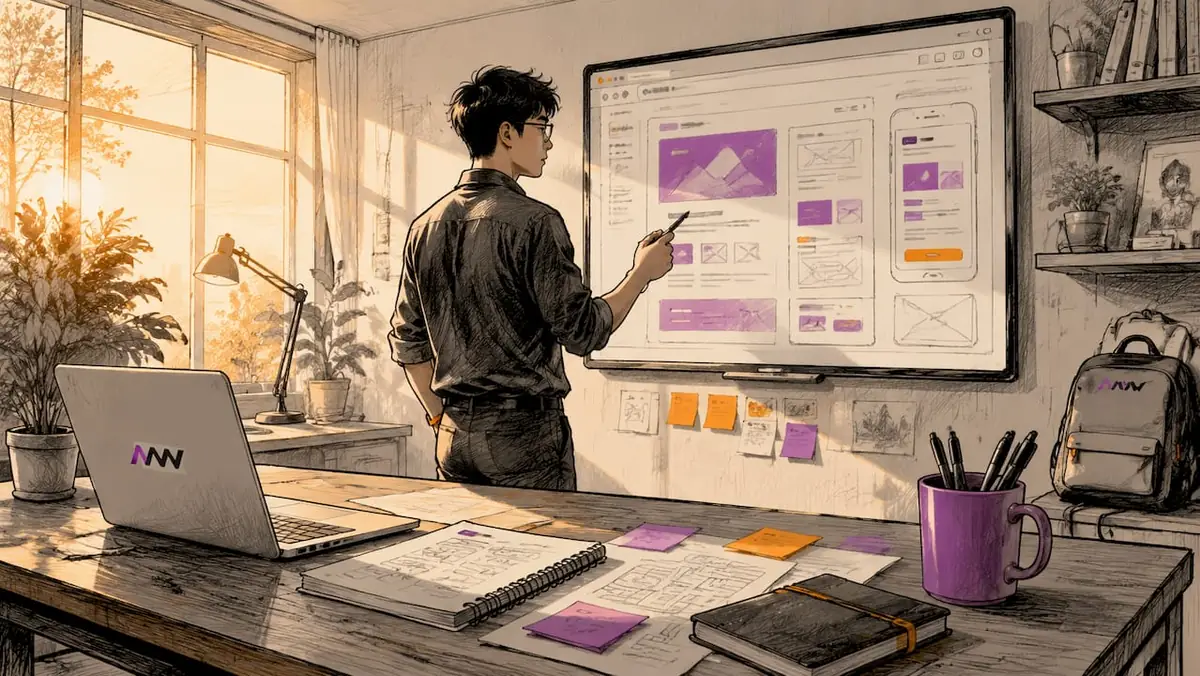
Wireframing and user journey mapping. Wireframes are basic structural layouts that show how pages will be organised without any visual design applied. This stage focuses entirely on logic: where does the user go, what do they see first, and what action do you want them to take? Getting stakeholder sign-off at this stage prevents expensive redesigns later.
Visual design and moodboards. Once the structure is agreed, the design team creates the visual language. This includes colour palettes, typography, imagery style, and component design. Moodboards help align expectations before full design mockups are produced.
Development and CMS integration. Developers build the site using clean, custom code. A content management system (CMS) such as WordPress, Craft CMS, or a headless solution is integrated so your team can update content without touching code. Complex third-party API integrations such as CRMs and payment gateways affect project scope and budget more than simple page volume does.
Testing and quality assurance. The site is tested across browsers, devices, and screen sizes. Performance, accessibility, and SEO technical checks are completed before launch.
Launch and post-launch support. The site goes live, and most agencies provide a period of post-launch support to catch any issues. UK custom web development projects typically take 4 to 8 weeks for small sites and 8 to 16 weeks for complex builds. Project delays often arise from content readiness, stakeholder approvals, and integration complexities, so having your content prepared before development begins saves significant time.
How to choose the right custom web design services for your business
Choosing a custom web design provider is one of the more consequential decisions a business owner makes. The wrong choice costs time, money, and momentum. The right one builds a commercial asset that works for years.
Assess your business priorities first
Before you speak to any agency, get clear on what you actually need the site to do. Is the primary goal lead generation, e-commerce, brand credibility, or content marketing? Custom design suits established businesses focused on competitive differentiation and growth through their websites. If you are validating a new idea or need a simple online presence quickly, a template may serve you better at this stage.
Evaluate technical expertise
- Ask to see live examples of sites the agency has built, not just screenshots.
- Check whether they have experience with the technology stack you need, whether that is WordPress, a headless CMS, or a custom web application.
- Ask specifically how they handle SEO during the build, not as an afterthought.
- Confirm they have experience with third-party integrations relevant to your business, such as CRM systems, booking tools, or payment platforms.
- Find out who actually builds the site. Some agencies outsource development overseas, which can affect communication and quality control.
Understand scope, timelines, and support
Get a written project scope before signing anything. This should include the number of page templates, the integrations required, the revision process, and what happens after launch. The number of unique design templates and third-party API integrations are the true drivers of project cost, not just page count. A site with ten pages but three complex integrations costs more than a fifty-page brochure site with no integrations.
Budget realistically
Treat the website as an investment with a return, not a one-off expense. A custom site that converts at a meaningfully higher rate pays for itself. Factor in ongoing costs: hosting, maintenance, content updates, and SEO. Agencies that offer post-launch retainers often deliver better long-term results because they stay accountable to performance.
Pro Tip: Ask every agency: “What does your post-launch support look like, and what is not included?” The answer tells you a great deal about how they handle the relationship after the invoice is paid.
Key takeaways
Custom web design is the highest-return investment a growth-focused business can make in its online presence, delivering better conversions, cleaner SEO, and a site that scales without technical debt.
| Point | Details |
|---|---|
| Conversion advantage | Custom sites see 20 to 35% higher conversion rates than template alternatives. |
| SEO from the ground up | Custom builds give full control over URL structure, schema, metadata, and page speed. |
| True cost of templates | Template sites often cost more over 12 to 18 months due to plugin debt and maintenance fixes. |
| Process drives outcomes | Discovery and wireframing before coding prevents expensive mid-project changes. |
| Choose on business fit | Custom design suits businesses where the website is a primary sales or lead generation tool. |
Why I think most businesses underestimate what a website actually does
After working with businesses across a range of sectors, the pattern I see most often is this: a business owner treats the website as a brochure. They want it to look good, launch quickly, and cost as little as possible. Then they wonder why it does not generate enquiries.
The businesses that get the most from custom web design are the ones that treat it as a sales tool from the very first conversation. They come to the discovery session with data on their customers, clarity on their conversion goals, and a willingness to invest time in the wireframing stage. That upfront thinking is where the real value is created.
The biggest mistake I see is rushing the content. Businesses often assume the agency will sort it out, then stall the entire project for weeks waiting for copy and images. Content readiness is the single most controllable factor in whether a project lands on time. Get your content sorted before development begins, not during it.
The other thing I would push back on is the idea that a cheaper template now saves money. It rarely does. The technical debt accumulates quietly, and by the time you realise the site is holding your business back, you are paying to rebuild it anyway. Paying properly once, with a team that thinks strategically, is almost always the better financial decision over a three-year horizon. Our marketing agency Reading page asks the question that follows from all of this: what should small business marketing actually earn?
Amir
AMW Media builds websites that work as hard as you do
AMW Media is a London-based digital agency that builds custom websites designed around your commercial goals, not generic templates. Every project starts with a proper discovery process, moves through structured design and development, and launches with full technical SEO built in from the start. The team holds certifications across Google, Meta, Shopify, WordPress, and Framer, and integrates custom builds with marketing automation, CRM systems, and SEO services that keep your site performing long after launch. If you are ready to talk about what a custom site could do for your business, get in touch for a no-obligation consultation.
FAQ
What is custom web design in simple terms?
Custom web design is the process of building a website from scratch, built specifically to a business’s brand, goals, and customers, rather than using a pre-made template or theme.
How much does custom web design cost in the UK?
UK custom web design projects typically range from £3,000 to £8,000 for small business sites to over £40,000 for complex enterprise builds, depending on the number of templates and integrations required.
How long does a custom website take to build?
Small custom sites typically take 4 to 8 weeks, while complex builds take 8 to 16 weeks. Content readiness and stakeholder approvals are the most common causes of delays beyond those timelines.
Is custom web design better than using a template?
Custom web design is better for businesses where the website is a primary sales or lead generation tool. Templates suit simple online presences or early-stage validation where speed and low cost are the priority.
Does custom web design help with SEO?
Custom builds give developers full control over URL structure, schema markup, metadata, and page speed, which are all factors that directly affect search rankings. Template sites restrict this control through plugin dependencies and inherited code.
Recommended
- Web Development and Design That Elevates Your Brand | AMW Media
- how to design a website a practical guide for 2026 | AMW Media
- Web design process guide: steps, tools, and tips | AMW Media
- Graphic design for business: what it is and why it matters | AMW Media
Our free marketing audit looks at your site, your ads and your content, and comes back with a 30 day plan. No pitch deck.

Owns how everything looks and feels, from a brand identity to the grade on a reel, and makes the animated films such as Blue Light Services' Journey to Net Zero. Meet the team.