
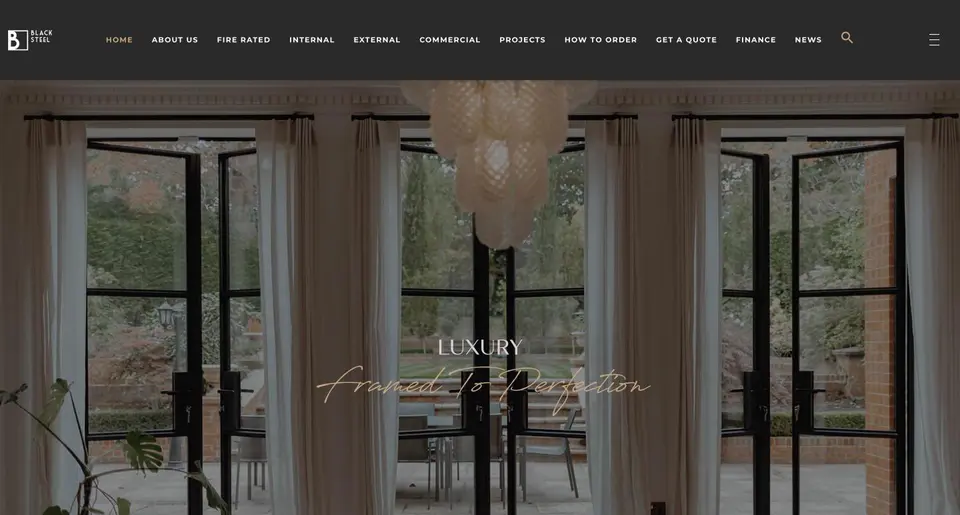
 Black Steel Doors
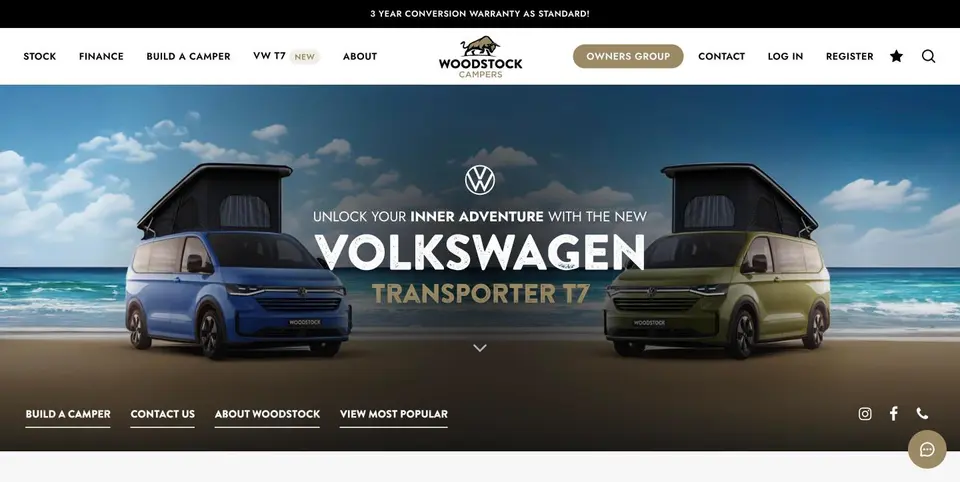 Woodstock Campers
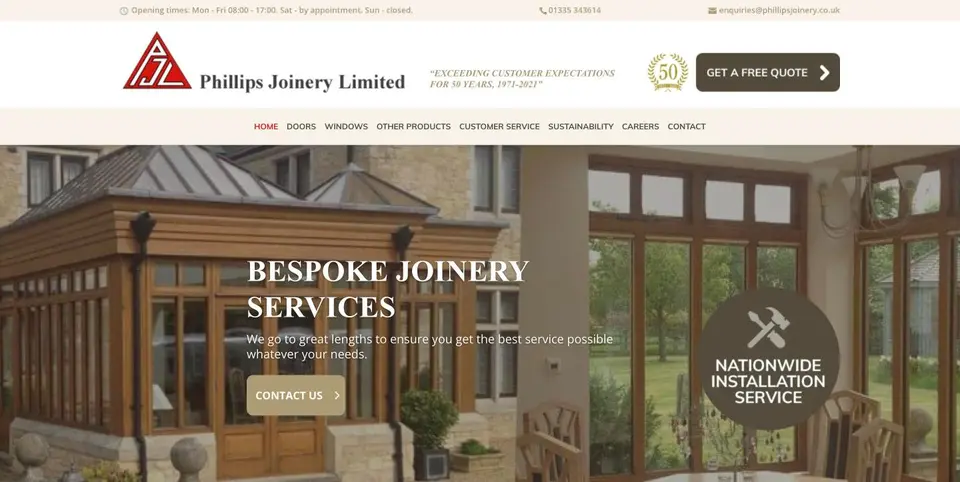 Phillips Joinery
TL;DR:
- Brand photography is a planned visual discipline that conveys a brand’s identity, values, and personality. It outperforms stock images in engagement, recognition, and authenticity, making it a valuable business tool. Proper strategy, authenticity, and consistency across channels ensure photography drives measurable marketing results.
Photography for brands is the intentional creation of visual content that captures a brand’s identity, values, and promise to its audience. It goes far beyond a decent headshot or a stock image grabbed in five minutes. Brand photography, as the industry calls it, is a planned discipline that shapes how people feel about a business before a single word is read. Custom photography generates 94% more views than text-only content, which tells you everything about where attention actually goes. If you want to understand what is photography for brands and how to use it properly, this guide covers the full picture.
What is photography for brands and how does it define identity?
Brand photography is defined as a specialised craft that creates consistent visual narratives communicating a brand’s unique selling points across multiple platforms. That definition matters because it separates brand photography from general commercial photography. A wedding photographer captures a moment. A brand photographer builds a visual language that speaks on behalf of a business every time someone lands on a website, scrolls through Instagram, or opens an email.
The contrast with stock imagery is stark. Generic stock photos are recognisable precisely because they look generic. They carry no personality, no context, and no connection to the specific business using them. Many brands waste budget on generic photos that fail to convert, diluting brand identity in the process. Custom photography does the opposite. It tells a story that only your brand can tell.
Brand photography covers several distinct image types, each serving a different purpose:
- Headshots and personality portraits, build human connection and trust with your audience
- Lifestyle images, show your product or service in real-world context, making it relatable
- Process shots, demonstrate expertise and transparency by showing how you work
- Environmental portraits, place you or your team in your natural professional setting
- Detail and product shots, highlight quality, craftsmanship, and specific features
- Behind-the-scenes images, add authenticity and give audiences a reason to stay engaged
Each image type serves a unique role in building recognition and consistency across marketing channels. Choosing the right mix depends entirely on your audience and where those images will live.
| Feature | Stock images | Brand photography |
|---|---|---|
| Uniqueness | Shared by thousands of brands | Exclusive to your business |
| Brand alignment | Generic, no brand personality | Matched to your values and tone |
| Audience trust | Low, often feels impersonal | High, feels authentic and specific |
| Conversion potential | Weak, no emotional connection | Strong, builds confidence and familiarity |
| Long-term value | Disposable, trends quickly | Builds a lasting visual identity |
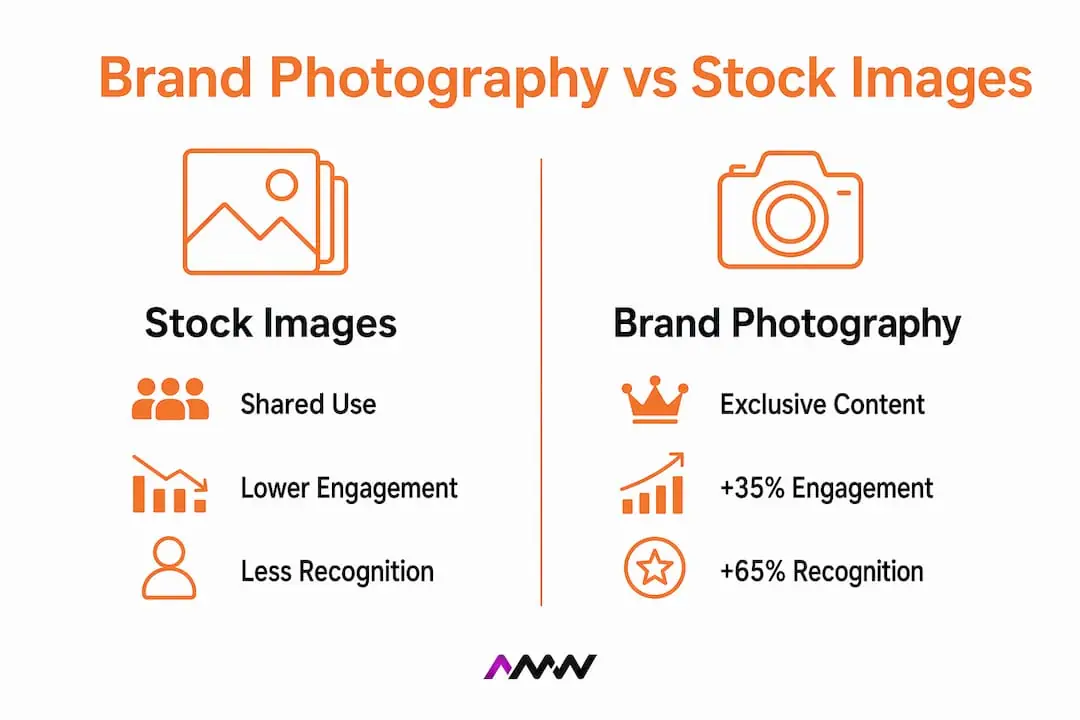
Pro Tip: Before booking a photographer, write down three words that describe your brand’s personality. Share those words in your brief. A photographer who understands “warm, expert, and approachable” will make completely different creative decisions than one working blind.
What measurable benefits do brands gain from professional photography?
The numbers behind brand photography are not subtle. Custom photography outperforms stock imagery by 35% in audience engagement and boosts brand recognition by 65%. Those are not marginal gains. They represent the difference between a brand that gets remembered and one that gets scrolled past.

The B2B world sees this effect just as clearly. Personal brand photography on LinkedIn generates three times more engagement than traditional corporate headshots. That uplift comes from credibility. When a founder or consultant appears in thoughtful, well-lit photography that reflects their expertise, audiences respond. They trust the person before the meeting even happens.
Photography also supports thought leadership in ways that written content alone cannot. A well-composed image of your team at work, your product being used, or your process in action communicates competence instantly. It removes doubt. The job of brand photography, at its core, is to move prospects from curious to confident. That is a business outcome, not an aesthetic preference.
| Metric | Impact | Context |
|---|---|---|
| Audience engagement | 35% higher with custom photography | Compared to generic stock imagery |
| Brand recognition | 65% increase | Linked to consistent custom visual content |
| Content views | 94% more views | Custom photography vs text-only content |
| LinkedIn engagement (B2B) | 3x higher | Personal brand photography vs corporate headshots |
Pro Tip: Track photography performance by monitoring click-through rates, time on page, and social engagement separately for pages or posts using custom images versus stock. The gap will likely surprise you.
What are the common pitfalls in brand photography?
The biggest mistake brands make is treating photography as a creative expense rather than a business tool aligned to specific goals. Viewing photography as mere aesthetics rather than a management tool is the single most common reason shoots produce beautiful images that nobody actually uses. Beautiful and useful are not the same thing.
The second pitfall is skipping the planning stage entirely. Turning up to a shoot without a clear brief is like running a paid ad campaign without knowing who you are targeting. Effective brand photography requires pre-shoot strategy that clarifies image purpose, placement, and the specific behaviour you want to trigger in the viewer. Knowing that a photo will sit on a homepage hero section demands a completely different composition than one destined for a LinkedIn post.
Authenticity is the third area where brands consistently go wrong. Forced poses and overly curated expressions read as fake. Audiences are remarkably good at detecting inauthenticity, and contrived poses undermine trust rather than build it. The goal is to capture genuine personality, not perform a version of it.
A successful brand photography session follows a clear sequence:
- Define the business goal, what do you want viewers to think, feel, or do after seeing these images?
- Identify your audience, who are you speaking to, and what visual cues will resonate with them?
- Map the image placements, list every channel and format where photos will appear before the shoot
- Brief the photographer fully, share brand guidelines, tone words, and examples of images you admire
- Plan the shoot day, confirm locations, outfits, props, and timing well in advance
- Review with purpose, select final images based on their fit for specific placements, not just personal preference
Following these steps turns a photography session from a nice day out into a genuine content production asset with measurable marketing value.
Pro Tip: Ask your photographer to shoot both horizontal and vertical versions of key images. Websites need landscape formats; Instagram Stories and Pinterest need portrait. Getting both in one session saves significant time and budget later.
How can brands integrate photography into wider marketing strategies?
Photography works hardest when it is used consistently across every customer touchpoint. A single shoot can and should supply images for your website, social media profiles, email newsletters, press features, and paid advertising. Consistent use of brand photography across channels strengthens recognition and signals professionalism to every new audience member who encounters your brand.
The connection between photography and SEO is often overlooked. Search engines index image alt text, file names, and the context surrounding visual content. Pages with relevant, well-optimised custom images tend to perform better in search results than pages relying on stock photography. Pairing strong visuals with a clear digital marketing strategy compounds the benefit.
Visual storytelling across channels also builds what marketers call brand equity. The more consistently your audience sees the same visual style, colour palette, and photographic tone, the more quickly they recognise your brand without needing to read a logo. That recognition shortens the path from awareness to purchase. Visual content in marketing accelerates this process because images are processed faster than text.
Key integration tactics worth building into your plan:
- Website, use custom photography on the homepage, about page, and service pages to replace any remaining stock images
- Social media, maintain a consistent visual style across Instagram, LinkedIn, and Facebook using images from the same shoot
- Email marketing, include a personal image in newsletters to increase open rates and reader connection
- Press and PR, supply journalists and publications with high-resolution brand images to control how your business is represented
- Paid advertising, test custom photography against stock in ad creative and measure click-through rates directly
- Blog and content, use behind-the-scenes and process images to add personality to written articles
The brands that get the most from photography treat their image library as a living asset. They schedule shoots regularly, refresh visuals seasonally, and audit which images are performing across channels. Photography is not a one-off project. It is an ongoing part of professional photography services that feeds every part of a marketing operation.
Key takeaways
Brand photography is a strategic business tool that builds trust, drives engagement, and strengthens recognition across every marketing channel when planned and deployed with clear intent.
| Point | Details |
|---|---|
| Brand photography definition | It is a planned visual discipline that communicates brand identity, not just attractive imagery. |
| Engagement uplift | Custom photography outperforms stock imagery by 35% in engagement and boosts recognition by 65%. |
| Planning is non-negotiable | Pre-shoot strategy that defines image purpose and placement determines whether photos actually get used. |
| Authenticity beats perfection | Genuine, uncontrived images build more trust than polished but forced visual content. |
| Consistency across channels | Using the same visual style across website, social, email, and ads compounds brand recognition over time. |
Why I think most brands are still getting photography completely wrong
After working with brands across a range of sectors, the pattern I see most often is this: a business invests in a photography session, gets back a folder of lovely images, and then uses three of them on the website before the rest gather digital dust. That is not a photography problem. That is a strategy problem.
The misconception is that photography is something you do once, like getting a logo designed. You commission it, tick the box, and move on. But a logo does not need to reflect the fact that you have launched a new service, hired a new team member, or shifted your brand positioning. Photography does. The moment your images stop reflecting your current reality, they start working against you.
What I have found actually works is treating photography like a content calendar. Plan shoots around product launches, seasonal campaigns, and key business milestones. Brief photographers the same way you brief a copywriter: with goals, audience context, and specific deliverables. The images that come out of that process are different from the ones produced when a photographer is simply told to “make us look good.”
The other thing I would push back on is the idea that authenticity means low production values. Authentic does not mean unplanned. It means the images reflect real people, real environments, and real moments rather than performed versions of them. You can achieve that with a skilled photographer and a clear brief. You cannot achieve it by showing up in a rented studio with no idea what you want to say.
Photography is one of the fastest ways to close the gap between what a brand claims to be and what it actually looks like to a stranger. That gap costs brands far more than a photography session ever would. Fern Campervans, on our Bristol page, is the example we use for a customer who cares how something is made.
Amir
How AMW Media helps brands put photography to work
AMW Media works with brands that want their visual content to do more than look nice. The team integrates photography into wider marketing activity, from social media management that keeps your image library active and consistent, to custom web design that places your brand photography exactly where it will have the most impact. Every project starts with a clear understanding of your audience, your goals, and where your visuals need to work hardest. If your current photography is sitting in a folder rather than driving results, that is exactly the kind of problem AMW Media is set up to solve.
FAQ
What is the brand photography definition in simple terms?
Brand photography is a planned set of professional images that communicate a business’s identity, values, and personality across marketing channels. It is distinct from generic stock imagery because every image is created specifically for one brand.
Why does the importance of photography for brands matter for small businesses?
Professional photography builds trust and credibility with new audiences before any direct interaction takes place. For small businesses, this levels the playing field against larger competitors by projecting confidence and consistency.
How do brands use photography across different marketing channels?
Brands use photography consistently across their website, social media profiles, email newsletters, press features, and paid advertising to reinforce visual identity at every customer touchpoint.
What are the main benefits of brand photography over stock images?
Custom photography outperforms stock imagery by 35% in audience engagement and increases brand recognition by 65%, while also creating a unique visual identity that stock images cannot provide.
How often should a brand update its photography?
There is no fixed rule, but scheduling a shoot around major business milestones, seasonal campaigns, or significant changes to your team or services keeps your visual content current and credible.
Recommended
- Why branding matters: grow and differentiate your business
- Graphic design for business: what it is and why it matters | AMW Media
- Elevate your brand identity: What is visual branding? | AMW Media
- Professional Photography Services for Business | AMW Media
Our free marketing audit looks at your site, your ads and your content, and comes back with a 30 day plan. No pitch deck.

On site with the cameras most days of the week. Installs, interviews, products and events, from London to Liverpool. Meet the team.