
 Black Steel Doors
 Woodstock Campers
 Phillips Joinery
TL;DR:
- Prompt social media responses, simple loyalty programmes, and unified omnichannel experiences are key to building consumer loyalty. Most UK brands struggle with response speed, loyalty simplicity, and data fragmentation, which hamper engagement. Fixing these foundational issues offers a significant advantage over competitors and enhances long-term retention.
Brand engagement tactics are practical methods brands use to deepen customer interaction and build loyalty, ranging from responsive social media communication to simplified loyalty schemes and creative content campaigns. For marketing professionals and brand managers, choosing the right examples of brand engagement tactics is not a matter of guesswork. The UK market in 2026 has raised the bar considerably. Consumers expect speed, simplicity, and consistency across every touchpoint. Get those three things right, and loyalty follows naturally.
1. Examples of brand engagement tactics: why prompt social media response wins
Responsive social media communication is one of the most direct and measurable brand engagement tactics available. 71% of UK consumers will switch brands or abandon them entirely if social media enquiries go unanswered. That figure alone should make every brand manager sit up straight.
The expectation is not just a reply. It is a fast one. Over a third of consumers expect a response within 30 minutes, and 31% will wait no longer than two hours. Brands that miss that window are not just losing a conversation. They are losing the customer.
The most effective approach here is to treat social media as a customer service channel, not just a broadcast tool. Brands that assign dedicated community managers, set response time targets, and use tone guidelines consistently see measurably better retention. A warm, human reply to a complaint often does more for loyalty than a polished campaign ever could.
- Assign a dedicated team member or agency to monitor mentions and direct messages daily
- Set internal response time targets of under 30 minutes during business hours
- Use a consistent brand voice across all replies, whether the comment is positive or negative
- Escalate complex complaints privately to avoid public disputes
- Track response times weekly and review them alongside customer satisfaction scores
Pro Tip: Acknowledge a complaint publicly, then move the resolution to a private channel. This shows other customers you care, without airing the full conversation in public.
2. Simple and fast loyalty programmes that drive repeat purchases
Loyalty programmes are one of the most widely used brand loyalty tactics, but most brands are running them wrong. 59% of UK consumers say clear and simple savings are their top priority in a loyalty scheme. Only 8% care about exclusive or special rewards. That gap tells you everything about where most brands are wasting their budget.
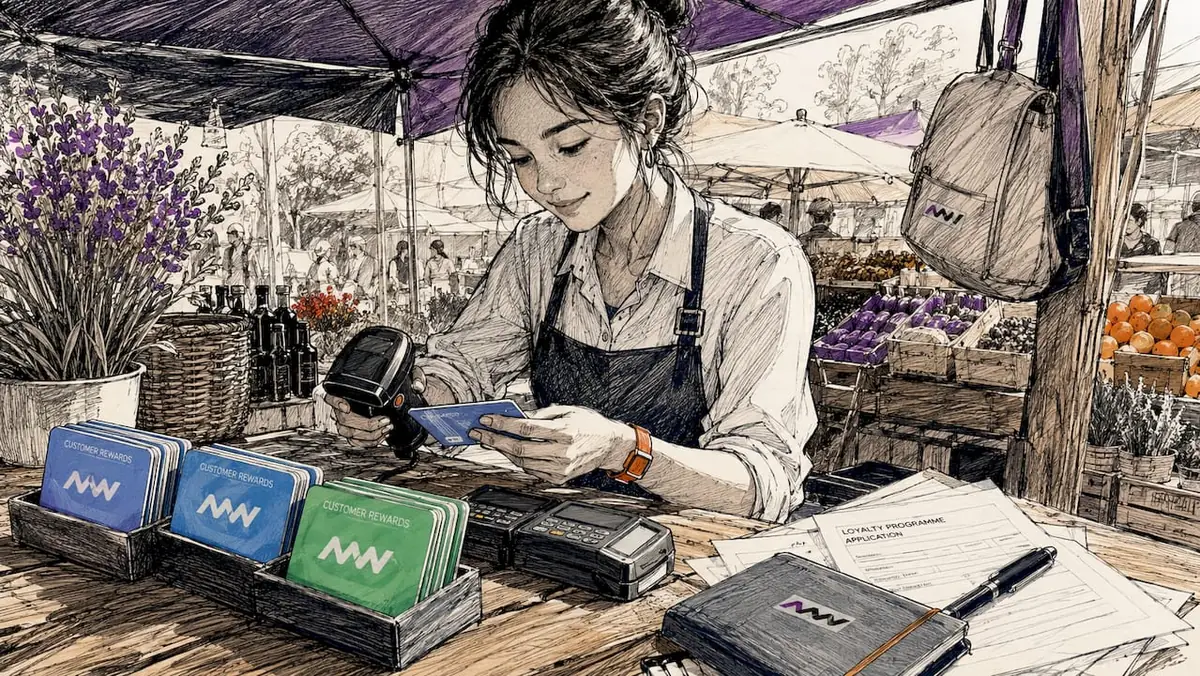
Speed matters just as much as simplicity. A third of consumers say faster reward earning would change their shopping habits as much as better rewards would. The message is clear. Consumers want to feel the benefit quickly, not after 12 purchases or a complicated points conversion.
The loyalty overload problem makes this worse. 55% of UK consumers belong to at least four loyalty schemes, but 58% actively use only three or fewer. Belonging to a programme and actually engaging with it are two very different things.
Here is what effective loyalty programme design looks like in practice:
- Offer immediate value. Give customers a reward on their first purchase or sign-up. Waiting months for a first benefit kills momentum.
- Keep the earning mechanic simple. Points per pound spent, with a clear conversion rate, outperforms tiered systems that require a spreadsheet to understand.
- Reward frequency, not just spend. Recognise customers who engage with your content, refer friends, or leave reviews. This builds emotional loyalty beyond the transaction.
- Communicate rewards clearly. Send a short email or push notification when a reward is earned. Do not make customers hunt for their balance.
- Lower the redemption threshold. If customers need to accumulate £50 before they can spend anything, most will give up. Start with smaller, more frequent redemptions.
M&S Sparks is a useful reference point here. The relaunch focused on monetary rewards and reduced complexity, moving away from charity donations as the primary benefit. The result was a programme that felt more directly valuable to everyday shoppers.
86% of UK marketers believe their loyalty programmes make customers feel valued. Only 54% of consumers agree. That perception gap is the single most important thing to fix before investing further in loyalty mechanics.
Pro Tip: Run a quarterly audit of your loyalty programme. Ask three real customers to explain how it works. If they struggle, simplify it.
3. Creative engagement techniques: gamification, branded content, and user-generated media
Creative engagement techniques sit beyond loyalty points and customer service. They build emotional connection and widen reach in ways that transactional tactics cannot. Gamification, branded content, and user-generated content (UGC) are the three most effective tools in this category.
Gamification applies game mechanics to non-game contexts. In brand engagement, this means challenges, leaderboards, streaks, and competitions that reward participation rather than just purchase. A beauty brand running a “30-day skincare challenge” on Instagram, with daily prompts and a branded hashtag, creates daily touchpoints without a single paid ad. The key is making participation feel rewarding from day one, not after a lengthy accumulation period.
Branded content and influencer partnerships extend reach into communities that paid advertising struggles to penetrate. Vaseline’s partnership with Olivia Attwood is a clear example of matching a product to a personality whose audience already trusts her recommendations. The content feels native rather than promotional, which is precisely why it works. Influencer partnerships and UGC drive discovery and community-led purchases on platforms like TikTok and Instagram Reels, where algorithm-friendly video content reaches far beyond a brand’s existing followers.
User-generated content deserves its own focus because it solves the trust problem that polished brand content cannot. When a real customer posts an unboxing video or a before-and-after photo, other consumers find it more credible than anything the brand produces itself. Brands that actively encourage, curate, and reshare UGC build communities rather than audiences.
- Run a branded hashtag campaign with a clear, simple mechanic (e.g. “Share your look using #BrandName for a chance to be featured”)
- Feature customer photos and reviews prominently on product pages and social channels
- Partner with micro-influencers (10,000 to 100,000 followers) for higher engagement rates than celebrity partnerships
- Use Instagram Reels and TikTok for short-form video challenges that encourage participation
- Reward UGC contributors with early access, discounts, or a feature on your main account
Pro Tip: Always ask permission before resharing a customer’s content, and credit them publicly. It costs nothing and builds enormous goodwill.
4. Smooth omnichannel experiences that connect every brand touchpoint
Omnichannel engagement is the practice of connecting every customer touchpoint, from social media and email to in-store and website, into a single coherent experience. 80% of UK businesses believe they already deliver this. Only 20% actually do. That is not a small gap. It is a structural problem affecting most brands operating in the UK market right now.
The consumer experience of this gap is frustrating. Eighty-two per cent of consumers say disorganised interactions put them off a brand. A customer who contacts support via live chat, then calls the same brand and has to repeat their entire issue from scratch, does not feel valued. They feel like a number. That feeling drives abandonment faster than almost any other factor.
The data problem sits at the root of this. 63% of UK brands cannot use customer data in real time, and 71% report “dark data” they cannot access at all. Without unified data, personalisation is impossible and AI tools are largely ineffective. Fixing the data architecture comes before any investment in AI-driven engagement.
| Common omnichannel gap | Consumer impact | Practical fix |
|---|---|---|
| Separate CRM and e-commerce systems | Customers repeat themselves across channels | Integrate CRM with your e-commerce platform |
| No shared customer history across teams | Inconsistent service and tone | Use a single customer record accessible to all teams |
| Email and social campaigns not aligned | Confusing or contradictory messaging | Align campaign calendars across channels |
| In-store and online loyalty not connected | Rewards lost between channels | Unify loyalty data across all purchase points |
A practical starting point is to map your omnichannel touchpoints and identify where customer data breaks down. Most brands find the biggest gaps between their marketing, sales, and customer service teams, not in their technology. Fixing the process first makes the technology investment worthwhile.
For a deeper look at how unified customer experience drives growth, the principles apply directly to UK brand engagement challenges.
5. How to measure and refine your brand engagement tactics
Measuring brand engagement is not optional. Without clear metrics, you cannot tell which tactics are working and which are burning budget. The most useful key performance indicators (KPIs) for brand engagement fall into three categories: responsiveness, loyalty participation, and content interaction.
- Response time: Average time to first reply on social media. Target under 30 minutes during business hours.
- Loyalty programme participation rate: The percentage of customers actively redeeming rewards, not just enrolled.
- Social engagement rate: Likes, comments, shares, and saves divided by reach. A rate above 3% is considered strong for most sectors.
- Net Promoter Score (NPS): Measures how likely customers are to recommend your brand. Run it quarterly.
- Repeat purchase rate: The clearest signal that loyalty tactics are working in practice.
Consumer feedback closes the loop between what you think is working and what customers actually experience. The perception gap in loyalty programmes is a direct result of brands not asking customers how the programme feels to use. A short post-redemption survey takes two minutes to complete and produces data worth far more than any internal assumption.
Iterative testing is the discipline that separates brands that improve from those that plateau. Test one variable at a time: the timing of a loyalty email, the wording of a social media reply template, or the threshold for a reward redemption. Small changes, measured carefully, compound into significant improvements over a quarter.
Pro Tip: Before investing in AI personalisation tools, audit whether your customer data is clean, unified, and accessible in real time. AI built on fragmented data produces irrelevant personalisation, which is worse than no personalisation at all.
Key takeaways
The most effective brand engagement tactics combine prompt social media responses, simple loyalty rewards, creative content, and unified omnichannel experiences to build genuine customer loyalty.
| Point | Details |
|---|---|
| Speed of response matters most | 71% of UK consumers switch brands when social media enquiries go unanswered promptly. |
| Simplicity beats complexity in loyalty | 59% of consumers want clear savings; only 8% value exclusive rewards. |
| Creative content builds emotional loyalty | Gamification, UGC, and influencer content extend reach beyond paid advertising. |
| Omnichannel gaps drive abandonment | 82% of consumers are put off by disorganised brand interactions across channels. |
| Measure participation, not just enrolment | Active redemption rates and NPS reveal the real health of your engagement tactics. |
What I have learned from watching UK brands get engagement wrong
The most common mistake I see is treating brand engagement as a marketing department problem. It is not. The moment a customer contacts your support team and gets a different answer than your social media team gave them, the engagement work falls apart. Engagement is a company-wide discipline, and the brands that do it well have alignment across every team that touches the customer.
The second mistake is reaching for AI before fixing the foundations. I have watched brands invest heavily in personalisation tools only to discover that their customer data is siloed, incomplete, or simply inaccessible in real time. The role of AI in marketing is powerful, but it amplifies what is already there. If the data is poor, the AI produces poor personalisation at scale.
What actually works, consistently, is less glamorous than most marketing conferences suggest. Fast replies. Simple rewards. Honest content. A loyalty programme that a customer can explain in one sentence. These are not exciting tactics, but they are the ones that move retention numbers. The brands I have seen grow their loyal customer base most reliably are the ones that focused on clarity and consistency before they chased creativity.
The good news is that the bar is low. Most UK brands are still falling into the perception gaps described in the research. Getting the basics right puts you ahead of the majority, not just the worst performers.
Amir
How AMW Media helps brands put these tactics into practice
Building a brand engagement strategy that covers social media, loyalty communication, and creative content is a significant undertaking. AMW Media works with ambitious brands to make that process manageable and measurable. Our Harrow page covers which part of digital marketing a north west London business usually needs first.
AMW Media’s social media management services are built around the metrics that matter: response times, engagement rates, and community growth. The team develops targeted content calendars, manages community interactions, and tracks performance against clear KPIs. Whether you need to improve your response times, launch a UGC campaign, or align your social and email messaging, AMW Media brings both the creative and the data together. If you want to see what a properly managed social media presence looks like for your brand, get in touch for a conversation.
FAQ
What are the most effective brand engagement tactics for UK brands?
The most effective tactics combine prompt social media responses, simple loyalty programmes, and consistent omnichannel experiences. Research shows 71% of UK consumers switch brands when social enquiries go unanswered, making responsiveness the single highest-impact starting point.
How do you measure brand engagement effectively?
Track response times, loyalty programme redemption rates, social engagement rates, and Net Promoter Score. Active redemption rate is more revealing than total enrolment, as it shows whether customers find the programme useful.
Why do most loyalty programmes fail to engage customers?
Most loyalty programmes are too complex and too slow to reward. Only 54% of consumers feel valued by their brand’s loyalty programme, despite 86% of marketers believing the opposite. Simpler mechanics and faster reward earning close that gap.
What role does user-generated content play in brand engagement?
User-generated content builds trust that polished brand content cannot replicate. Real customer reviews, unboxing videos, and social posts are perceived as more credible and drive community-led discovery on platforms like TikTok and Instagram Reels.
How can brands fix omnichannel engagement gaps?
Start by mapping every customer touchpoint and identifying where data breaks down between teams. Integrating CRM, e-commerce, and customer service systems into a single customer record is the most direct fix before investing in AI-driven personalisation tools.
Recommended
- Examples of engaging social posts that actually work | AMW Media
- Examples of branded content: 10 campaigns that actually work | AMW Media
- Innovative social media content ideas to boost engagement
- Examples of email marketing campaigns that actually work | AMW Media
Our free marketing audit looks at your site, your ads and your content, and comes back with a 30 day plan. No pitch deck.
Owns how everything looks and feels, from a brand identity to the grade on a reel, and makes the animated films such as Blue Light Services' Journey to Net Zero. Meet the team.