
 Black Steel Doors
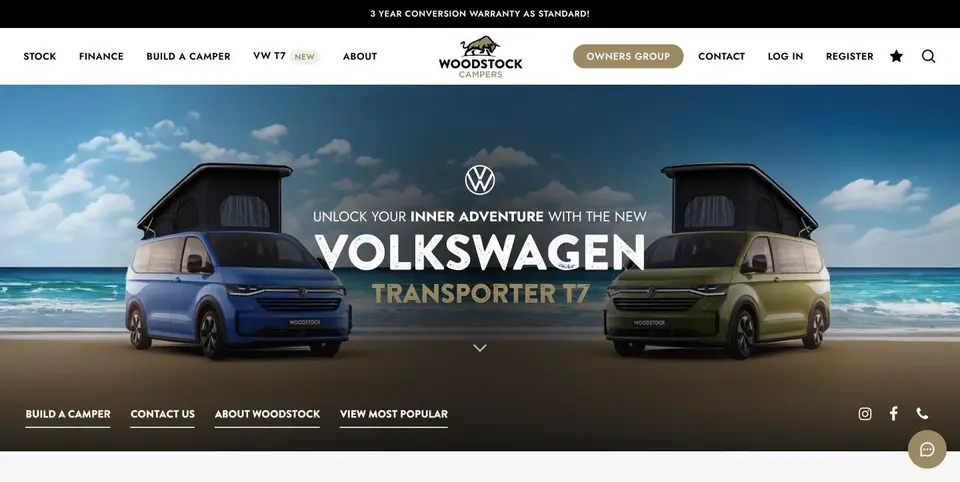 Woodstock Campers
 Phillips Joinery
Fashion and apparel · clothing brands, fightwear, apparel stores Apparel e-commerce, from the inside
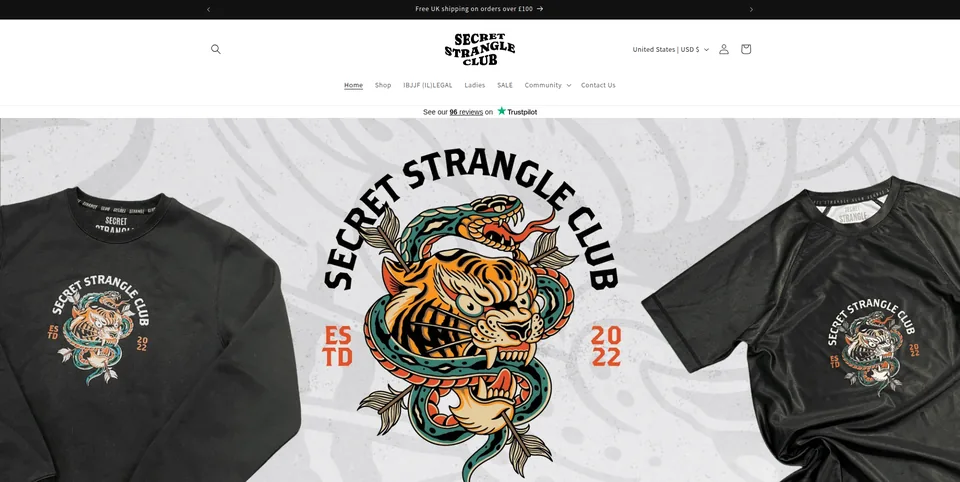
Before AMW Media, our founder ran e-commerce for a fightwear brand and took it from nothing to £180,000 turnover in year one, with sponsored fighters wearing the product. That experience shapes how we build stores, shoot product and run ads for apparel brands today.
 From this sector
What apparel brands need
A Shopify store that loads fast and makes the product look as good as it does in hand. Product photography and film shot to a consistent standard so the catalogue does not look like five different shops. Content from the people who wear it, whether that is athletes, ambassadors or customers. Email flows that turn a first order into a second. Paid social that is judged on return, not reach.
What we learned at Apex Fightwear
That the product on a real person doing the real thing sells, and the product on a white background does not. That the email list is the profit margin. That drops and launches beat always on discounting. Those lessons became the Shopify, content and email services on this site.
The first order is not the point
Most apparel brands lose money on the first order once acquisition cost is counted. The business works on the second and third, which makes retention the real growth channel and email the real margin.
So sequence matters. Get the flows working before scaling the advertising, or you are buying customers you will never sell to again.
Drops beat discounts
A brand discounting to move stock teaches its customers to wait for the sale, and that habit is very hard to reverse. A brand running drops creates urgency without cutting margin, and builds a list of people waiting for the next one.
The mechanics are simple and the discipline is not: announce, build the list, sell, sell out, repeat. Restocking too quickly undoes all of it.
Photography and film that sells
Product on a white background is a catalogue requirement, not a selling tool. What sells is the product on a real person doing the thing it was made for, shot to a consistent standard so the whole range looks like one brand.
That consistency matters more than production value. Five shoots with five different looks make a small brand look smaller.
Paid social judged on return
Reach and engagement are the wrong measures for apparel. Return on ad spend, blended across the account, against a known contribution margin, is the only number worth arguing about.
Creative is the main lever rather than targeting. New angles, hooks and formats move performance more than any audience change, which is why production capacity decides how far paid social can scale.
What we would do first
Store speed and conversion audit, a product shoot with real wearers, the abandoned basket and post purchase flows, then a Meta campaign around your best seller with return on ad spend as the only number that matters.