
 Black Steel Doors
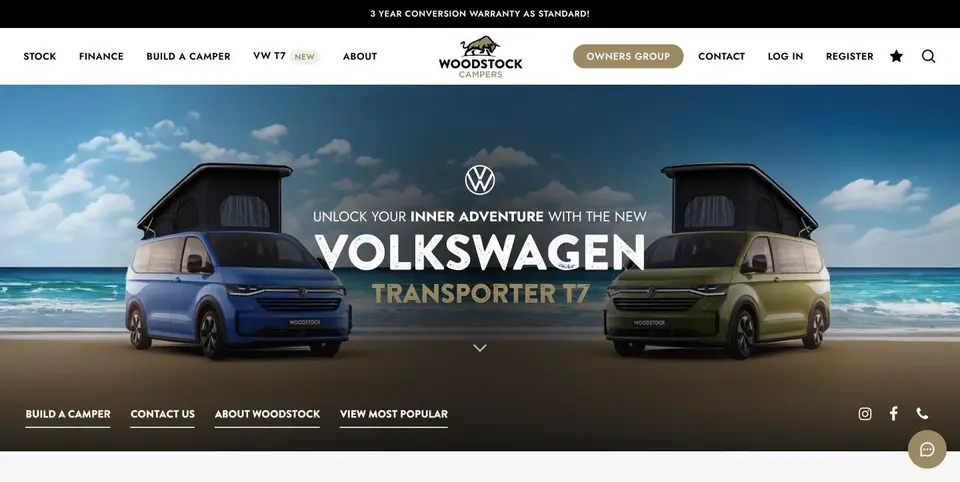 Woodstock Campers
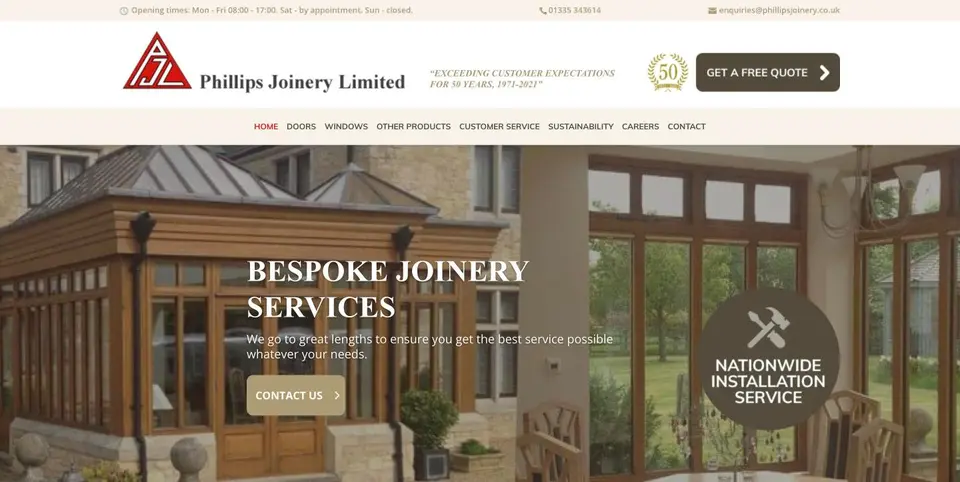 Phillips Joinery
Email marketing · flows, campaigns, segmentation The list you already paid for
Every other channel charges you again each time you want to reach somebody. Email is the one audience you own, and most businesses are sitting on a few thousand past customers nobody has contacted in two years.
 Live client figure
You already paid for this audience
Every other channel charges you again each time you want to reach somebody. Google Ads charges per click. Meta charges per thousand. Search costs months of work. Email is the one list you own, and you paid for every name on it once already, usually through one of those other channels.
Which makes it slightly extraordinary how many businesses have a few thousand past customers and enquirers sitting in a system nobody has emailed since 2023.
The reasons are always the same. Nobody knows what to say. The last campaign got two complaints so somebody quietly stopped sending. The data is a mess and tidying it is nobody’s job. Or the honest one: it never felt urgent, because unlike paid advertising, nothing breaks when you ignore it.
Automated flows first, campaigns second
Most email marketing agencies start with a monthly newsletter. That is backwards. An email marketing strategy that begins with a send calendar is a schedule wearing a strategy’s clothes.
The money is in automation, because automated flows run whether anybody remembers them or not. A welcome sequence that introduces the business properly. A post purchase flow that asks for a review at the right moment and suggests the obvious cross sell. Nurture campaigns for enquirers who went quiet. Re engagement campaigns for a list that has gone cold. Abandoned basket for ecommerce brands, which is usually the single highest earning automation anybody builds.
Set those up once and they work in the background on every future contact. Then email campaigns sit on top: the seasonal push, the new product, the thing that is actually news. Those are the sends everybody plans and frets over, and they are the smaller half of the return.
Advanced automation is not the point on its own. A business with four well built automation workflows beats one with a twenty step lifecycle marketing diagram that nobody maintains.
Our email marketing services
- Audit and list health. What you have, how it was collected, what is legal to email, and what should be removed before you send anything.
- Email automation and automated flows. Welcome, post purchase, nurture, re engagement, abandoned basket, review requests.
- Campaign planning and campaign management. A calendar you can see, planned around what is actually happening in the business.
- Email copywriting and design. Written and designed here, with our graphic design team on the templates and our photography in them.
- Sign up forms and list building strategies. Getting permission properly, on the website and at the point of sale.
- Segmentation. Using your customer data so relevant emails go to the right customers instead of everything to everybody.
- SMS marketing where it fits, which is fewer businesses than the platforms suggest.
- Reporting. Click through rates, revenue per campaign, and what the CRM says happened afterwards.
You get one account manager and the same in house team from the audit onwards. Nothing goes to a white label partner, which matters more here than in most channels, because whoever writes the emails needs to know what actually happened in the business that month.
Service businesses and ecommerce need different things
Treating them the same is how an agency ends up sending shop emails to a company that sells consultancy.
Ecommerce brands have transactions, so the flows carry the weight. Abandoned basket, browse abandonment, post purchase, replenishment, win back. The target audience is broad, the send frequency is higher, and the platform data tells you most of what you need to know within a fortnight.
Service businesses have enquiries instead, so email becomes a lead generation and follow up channel. The list is smaller, the sales cycle is longer, and the value sits in staying present for the eight months between somebody thinking about a rebrand and doing anything about it. Send monthly, say something useful, be the name they remember. That is slower and harder to attribute, and it is where most of the business growth from email actually comes from on the service side.
Subject lines decide everything else
Nobody reads the email you wrote. They read six words in a crowded inbox and make a decision in about a second.
So subject lines earn more attention than the rest of the copy combined, and most of them fail the same way, by describing the sender rather than the reader. “Our October newsletter” tells somebody nothing at all. “Your quote expires Friday” tells them exactly why to open it now.
The body then has one job, which is a single clear action. Emails offering four things reliably get clicked on none of them.
Design follows the same logic. One email template, built properly, rendering in Outlook as well as it does on a phone, beats a fresh layout every month. Content creation for email is mostly intelligent reuse: the film you made for social, cut shorter, with a line of context and a link. That is the whole job most weeks.
The platform matters less than the plan
We work with Klaviyo, Mailchimp, HubSpot, ActiveCampaign and the email platform built into most CRMs. For ecommerce, Klaviyo’s automation capabilities and its Shopify integration make it the usual answer. For a service business, whatever your CRM already does is often good enough and a second system is a liability.
Platform integrations and third party integrations are where these projects quietly fail. The shop, the CRM and the email tool each hold a different version of the customer, and the segmentation gets built on whichever one is wrong. Getting those three to agree is unglamorous and it is most of the setup work.
Getting UK GDPR right, because the fines are real
Marketing to a UK list runs on consent, and buying a database is not consent. Under UK GDPR and PECR you need a lawful basis, a clear record of how each contact was obtained, an unsubscribe that works, and a genuine option at the point of collection rather than a pre ticked box.
The soft opt in exists for existing customers of a similar product, and it is narrower than most businesses assume. If your list came from a trade show badge scan, a purchased file or a form with no marketing consent, we will tell you before you send rather than afterwards.
This is not caution for its own sake. A complaint rate spike damages your sending reputation, which then affects everything you send for months, including the messages people wanted.
What good looks like
Not open rates. Apple’s privacy changes made those largely fictional, and any agency reporting open rate as the headline is choosing a number that flatters.
The key metrics worth watching are click through rates, conversion rates, revenue per recipient across your email marketing campaigns, and customer lifetime value over time. For a service business, the honest measure is how many enquiries came from people who had gone quiet, which only the CRM can tell you.
This is also the channel where a small list of the right customers beats a large list of the wrong ones. Ten thousand addresses collected through a prize draw are worth less than four hundred past customers, and a monthly report showing only list growth is measuring the wrong thing.
How this connects to everything else
Nothing sends well with nothing to say, which is why this sits next to content production. The films and photographs made for social and the website give the emails something worth opening.
Where people land matters just as much. A message driving traffic to a page that cannot convert is the same waste as a paid click doing it, which is why web design is in the same team. And the automation only works if the customer data is right, which is CRM and marketing automation.
Every send is the last step of a customer journey that started somewhere else. Somebody found you through search or an advert, looked, did not buy, and left an address. Everything before that point is what fills the list, which is why we would rather run this inside a digital strategy than as a standalone line item.
That is the argument for a full service digital agency over a specialist. A specialist optimises the sends. A digital marketing team can see that the sends are fine and the landing page is the problem, or that the list stopped growing because a sign up form disappeared in a redesign. Across digital channels, most email problems turn out not to be email problems.
Reporting comes through MyContentLab, pulled from your own platform and CRM, on complete months only.
Choosing an email marketing agency, and what to expect
Search for the best email marketing agencies or the top email marketing companies and you will mostly find directories that sold the placement. Most email marketing companies do the same core work. What differs is how much of it they do themselves and how they report it.
Ask three things. Who writes the emails, who builds the templates, and who reads the numbers afterwards. When those are three separate suppliers, your email marketing efforts stall in the gaps between them.
Ask what monthly reporting looks like. Detailed reporting that stops at open rates is not reporting. It should show revenue per email and tie back to your marketing goals rather than to a chart that always points upwards.
Ask about client success in a business shaped like yours. Ecommerce businesses and service businesses buy this differently. E commerce brands live off flows, replenishment and cross sell. Service businesses live off the work it takes to nurture leads over months, and their emails read closer to sales follow up than to a newsletter.
We create emails end to end: the copy, the design, the build and the sending. Our in house team puts the graphic design and the web development next to the email work, so a landing page can change on the same day the campaign does.
For ambitious brands the aim is never more sending. It is engaging content reaching the right people at the right moment, which is how you maximise engagement without raising frequency. Generating sales from a list you already own is the cheapest growth available, and it stays cheap.
Email should not run alone either. Social media marketing and social media management build the audience that joins the list, and paid brings new people to it. Measuring that marketing activity together is the only way to see what email is really contributing.
Deep knowledge of one platform matters less than people think, and innovative ideas matter less again. What will maximise performance is the dull discipline of segmenting properly, writing like a human, and testing one thing at a time until the numbers deliver results you can bank.
What it costs
A fixed monthly fee set by the number of flows, the campaign volume and whether we are writing and designing everything or working to your templates. Setup projects are quoted separately from ongoing campaign management, because building six automations is a different job from running a monthly calendar.
The pricing structure never includes a percentage of revenue attributed by the email platform, because that number is generously calculated by the company selling you the software.
Services run month to month with 30 days’ notice.
Every figure is published: email marketing is quoted on your list size and the sequences you need, and the full rate card is on our pricing page, where you can tick what you need and see the total before you speak to anybody.
Start with the list you already have
Tell us what is in your system, how it got there and when you last used it. The free audit will tell you what is worth sending to, what needs removing, and which two automations would earn their keep first.
No obligation. If the honest answer is that your list is too small to justify a monthly fee, we will say so and tell you how to grow it first.