
 Black Steel Doors
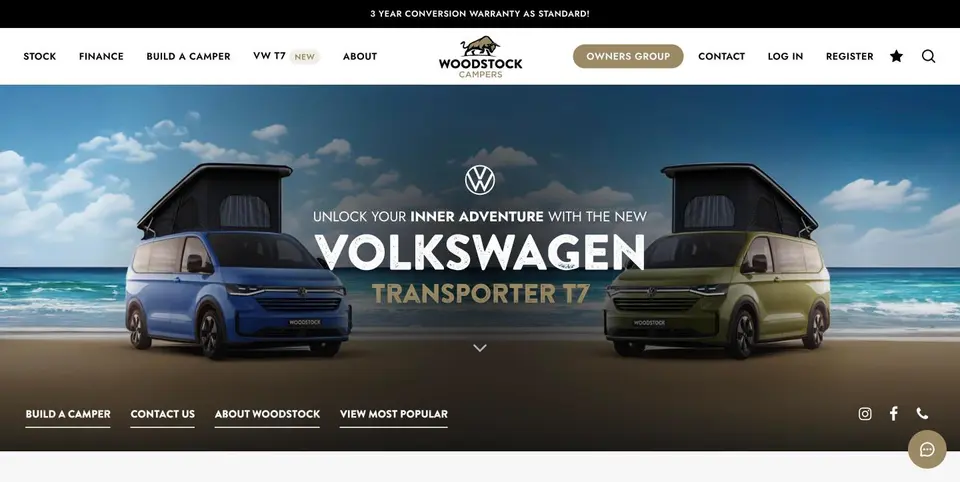 Woodstock Campers
 Phillips Joinery
Choosing the right digital marketing approach can feel overwhelming when you’re faced with countless channels and tactics competing for your attention. Many businesses struggle to identify which strategies will drive growth versus those that simply drain resources. Understanding the core types of digital marketing and how to evaluate them against your specific business needs is essential for building a sustainable online presence. This article introduces a practical framework for assessing different digital marketing methods, then explores the most effective types available in 2026, helping you make informed decisions that align with your goals and capabilities.
Key takeaways
| Point | Details |
|---|---|
| Selection criteria matter | Choosing digital marketing types based on clear goals, audience, and budget maximises success |
| Five core strategies dominate | SEO, PPC, content marketing, social media, and email form the foundation of effective campaigns |
| Each type serves different needs | Understanding unique advantages helps match strategies to specific business objectives |
| Integration amplifies results | Combining multiple tactics typically outperforms relying on a single marketing channel |
How to choose the right digital marketing strategy for your business
Before diving into specific digital marketing types, you need a clear framework for evaluation. Start by defining your business objectives with precision. Are you seeking immediate lead generation, long term brand awareness, or customer retention? Each goal points towards different marketing channels.
Understanding your target audience is equally critical. Where do they spend time online? What content formats do they prefer? A B2B software company targeting executives will approach digital marketing very differently than a fashion retailer reaching Gen Z consumers. Selecting digital marketing methods should depend on clear business goals, target audience, and budget.
Budget constraints shape your options significantly. Some strategies like SEO require substantial time investment before showing returns, whilst PPC delivers immediate visibility but demands ongoing spend. Evaluate potential ROI against available resources, considering both financial and human capital.
Resource capabilities often get overlooked. Do you have in-house expertise to execute strategies effectively? Can you commit to consistent content creation or campaign management? Being realistic about your team’s bandwidth prevents abandoned initiatives that waste initial investments.
Pro Tip: Schedule quarterly strategy reviews to assess performance metrics and pivot when channels underperform. Markets evolve rapidly, and flexibility separates successful campaigns from stagnant ones.
Key types of digital marketing to know in 2026
The digital marketing landscape encompasses numerous tactics, but five core types consistently deliver results across industries. Understanding each one’s fundamental purpose helps you build an effective mix.
Search engine optimisation improves your website’s visibility in organic search results through technical improvements, quality content, and authoritative backlinks. This foundational strategy builds sustainable traffic without ongoing advertising costs.

Pay per click advertising and SEO remain foundational digital marketing strategies. PPC platforms like Google Ads and social media advertising provide immediate visibility by placing your brand directly in front of searchers and target audiences. You control budgets precisely and adjust campaigns in real time based on performance data.
Content marketing establishes your brand as an industry authority through valuable materials including blog posts, videos, infographics, and guides. This approach attracts and educates prospects whilst supporting your SEO efforts naturally.
Social media marketing uses platforms like LinkedIn, Instagram, Facebook, and TikTok to engage communities, share content, and build brand personality. Each platform serves different demographics and content styles, requiring specific approaches.
Email marketing nurtures relationships with prospects and customers through personalised, segmented messaging. Despite being one of the oldest digital channels, email consistently delivers exceptional ROI when executed strategically with automation and personalisation.
Detailed look at each major digital marketing type
SEO encompasses three main pillars that work together to improve search rankings. On page optimisation ensures your content targets relevant keywords whilst providing genuine value to readers. Technical SEO addresses site speed, mobile responsiveness, and crawlability. Off page SEO builds authority through quality backlinks from reputable sources. Results take three to six months typically, but compound over time without ongoing costs per click.
PPC offers unmatched control and speed. You set exact budgets, target specific keywords or audiences, and see traffic within hours of launching campaigns. The challenge lies in managing costs effectively, as competitive keywords can become expensive quickly. Continuous optimisation and A/B testing are essential for maintaining profitable campaigns. PPC works brilliantly for time sensitive promotions or testing market demand before investing in long term strategies.
Content marketing supports virtually every other digital channel. Blog posts attract organic search traffic and provide social media sharing material. Video marketing enhances engagement and brand recall effectively when integrated with content strategies. Case studies and whitepapers nurture leads through the consideration phase. The investment is primarily time and expertise, making it accessible for businesses at various scales.
Pro Tip: Repurpose high performing content across multiple formats. Transform a detailed blog post into a video script, infographic, and social media series to maximise your content investment.
Social media demands consistent presence and genuine engagement. Simply posting promotional content rarely succeeds. You need to participate in conversations, respond to comments, and share valuable insights that resonate with your community. Different platforms require distinct approaches. LinkedIn favours professional thought leadership, Instagram thrives on visual storytelling, and TikTok rewards creative, entertaining content.
Email marketing consistently delivers high ROI when campaigns are well targeted and personalised. Segmentation allows you to send relevant messages based on subscriber behaviour, preferences, and position in the buying journey. Automation sequences nurture leads efficiently whilst you focus on other priorities. Building a quality email list takes time, but the owned audience becomes one of your most valuable marketing assets.
| Strategy | Monthly Cost Range | Time to Results | Best For |
|---|---|---|---|
| SEO | £500 to £5,000+ | 3 to 6 months | Long term organic growth |
| PPC | £1,000 to £10,000+ | Immediate | Quick wins and testing |
| Content Marketing | £500 to £3,000+ | 2 to 4 months | Authority building |
| Social Media | £300 to £2,000+ | 1 to 3 months | Community engagement |
| Email Marketing | £100 to £1,000+ | Immediate | Nurturing and retention |
Comparing digital marketing strategies: which to prioritise?
Prioritisation depends heavily on your business stage and objectives. New businesses often benefit from combining PPC for immediate visibility with SEO for long term growth. Established brands might focus on content marketing and social media to deepen customer relationships.
Consider your sales cycle length when choosing strategies. Complex B2B services with lengthy consideration periods need sustained nurturing through content marketing and email sequences. Consumer products with shorter decision windows can use social media advertising and PPC more effectively.
Your target audience’s online behaviour should guide channel selection. Research where your ideal customers spend time, what content they consume, and how they prefer to interact with brands. Integrating multiple digital marketing strategies often produces better outcomes than relying on a single method.
Here’s a practical prioritisation framework:
- Identify your primary business goal for the next quarter
- Map which marketing types directly support that objective
- Assess your current resources and capabilities
- Select two to three complementary strategies to implement
- Establish clear metrics and review points before launching
- Commit fully to chosen strategies rather than spreading too thin
Pro Tip: Build your foundation with SEO and email marketing first. These owned channels compound value over time and don’t disappear when you pause spending. Layer in paid strategies like PPC and social advertising once you have baseline organic traffic and a growing email list.
| Factor | SEO | PPC | Content | Social Media | |
|---|---|---|---|---|---|
| Initial Investment | Medium | High | Medium | Low to Medium | Low |
| Ongoing Costs | Low | High | Medium | Medium | Low |
| Scalability | High | High | Medium | Medium | High |
| Risk Level | Low | Medium | Low | Low | Low |
| Skill Required | High | High | Medium | Medium | Medium |
Discover expert digital marketing services with AMW Media
Navigating the complexities of digital marketing becomes significantly easier with expert guidance. AMW Media offers comprehensive digital marketing services matched to your specific business goals and growth stage. Whether you need strategic PPC campaign management for immediate lead generation or long term SEO packages to build sustainable organic visibility, our team brings certified expertise across all major platforms.
Professional support ensures your strategies align properly with business objectives whilst avoiding costly mistakes that drain budgets without delivering results. Our integrated approach combines creative content production with data driven campaign optimisation, helping ambitious brands stand out in competitive markets. Partnering with experienced specialists accelerates your path to measurable outcomes and maximises return on your marketing investment. If you would rather have this done for you, our Reading marketing page starts with what £12.50 a lead actually bought Woodstock Campers over thirteen months.
Frequently asked questions about types of digital marketing
What is the most effective type of digital marketing for small businesses?
SEO and email marketing typically offer the best ROI for small businesses with limited budgets. These strategies build owned assets that compound value over time without requiring continuous advertising spend. Start with local SEO if you serve a geographic area, then add email nurturing as your audience grows.
Can I use multiple digital marketing types simultaneously?
Absolutely, and you should. Integrated campaigns that combine complementary strategies consistently outperform single channel approaches. For example, content marketing supports SEO whilst providing material for social media and email campaigns. Start with two to three core tactics and expand as you build capabilities and see results.
How long does it take to see results from SEO?
Expect three to six months before seeing significant organic traffic improvements from SEO efforts. Technical optimisations and content updates take time to be crawled, indexed, and ranked by search engines. Competitive industries may require longer timeframes, whilst less competitive niches can show results faster. Consistency matters more than quick wins with SEO.
Is paid advertising necessary if I have good SEO?
Not strictly necessary, but paid advertising complements strong SEO effectively. Organic rankings provide sustainable baseline traffic, whilst PPC allows you to dominate search results for high value keywords, test new markets quickly, or promote time sensitive offers. Many successful businesses use both strategically rather than choosing one over the other.
How can I measure the success of my digital marketing campaigns?
Define specific KPIs aligned with your business goals before launching campaigns. Track metrics like website traffic, conversion rates, cost per acquisition, customer lifetime value, and revenue attribution by channel. Use analytics platforms like Google Analytics 4 alongside platform specific dashboards to monitor performance. Review data weekly initially, then adjust frequency as campaigns stabilise and you identify patterns.
Recommended
- Why invest in content creation for competitive brand growth
- What is video marketing: effective strategies for 2026
- Harness social media in branding for growth in 2026
- Social Media Management Services | AMW Media | AMW Media
Our free marketing audit looks at your site, your ads and your content, and comes back with a 30 day plan. No pitch deck.

Runs the content calendars and the community side of every social account, and keeps clients posted on what is going out and when. Meet the team.